Central Vacuum Service & Maintenance in VA, DC & Maryland
Keep everyday cleaning dependable.
Give your central vacuum the care its model and usage require. We help review collection, filtration, inlets, hoses and cleaning tools—and identify when a symptom needs a repair assessment.
Tell us what you need. We’ll contact you to confirm availability and your appointment.
Model-specific care · In-home service arrangements confirmed before booking

Maintenance that fits your particular system
How often does a central vacuum need service? Follow the power-unit and accessory manuals, then adjust for use, pets, debris load and observed performance. There is no single maintenance interval that fits every bagged, filtered, cyclonic or hybrid system.
Routine care focuses on collection, filtration, seals, inlets and cleaning tools. A new loss of suction, unusual sound or switching problem is a reason to request diagnosis rather than wait for the next routine service.
Why service a system that still runs? Collection and filter care, sound seals and suitable cleaning tools support everyday performance. A review can also distinguish routine upkeep from a developing fault. Maintenance does not guarantee that every breakdown can be prevented or that an unrelated blockage will be cleared.
What a maintenance visit can cover
The inspection is matched to the equipment and agreed scope. Not every system has every item below, and parts, repairs or additional work are discussed separately.
| Area | What is checked |
|---|---|
| Power unit & collection | Model and collection design; debris container or bag; seals and accessible condition. |
| Filtration | Primary filter and any secondary filter fitted to the model; appropriate cleaning or replacement guidance. |
| Operation & controls | Observable sound, operation and relevant switching or control concerns. |
| Inlets & exposed piping | Accessible inlet seals, contacts and connections; signs that further airflow or leak diagnosis is needed. |
| Hose & powerhead | Hose condition, handle and electrical connections; brush and belt condition where fitted. |
| Retractable hose equipment | Operation and accessible condition where the system is equipped with retractable hose storage. |
Tune-up checks: compare, review and confirm
Discuss these checks when agreeing the service scope:
- Inlet comparison: note differences in airflow or normal activation between rooms, including whether the same hose was used.
- Collection and filtration: review the model-specific bag or bin, filters, seals and accessible exhaust arrangement.
- Hose and tools: review visible wear, connections and brush operation where fitted.
- After-service review: confirm what was checked, any remaining symptoms and whether a separate repair estimate is needed.
Bring the model details and maintenance history. Repairs, replacement parts and work on concealed pipework are agreed separately when required.
The equipment-specific inspection checklist
- Identify the power unit and its collection design.
- Check the collection container or bag and its seal.
- Review the primary filter’s condition and care requirements.
- Check any secondary filter fitted to that model.
- Assess unusual motor noise, heat or operating behavior professionally.
- Check relevant controls and electronics when indicated.
- Review inlet seals and contacts.
- Inspect exposed piping and investigate leaks or restrictions when symptoms warrant.
- Check the hose, handle and applicable electrical connections.
- Review the powerhead brush and belt where fitted.
- Check retractable hose operation where equipped.
This is a guide to the inspection discussion, not a promise to replace parts or clean all concealed piping at every visit.
Bagged, filtered or hybrid: care instructions differ

Start with the model label. Two units that look similar can use different filters, bags or collection arrangements. Some filters are washable; others must be replaced or handled differently. Do not assume a filter can be washed without checking its instructions.
Follow the specified shutoff and collection procedure, refit seals carefully and use compatible consumables. If the manual is missing, send the model details so the correct care information can be located. For model-specific collection and filter care, see our central vacuum cleaning guide.
Routine maintenance or a repair visit?
| What you notice | What to request |
|---|---|
| Normal operation; collection or filter care is due | Maintenance matched to the model and usage. |
| Gradual suction change with an overdue container or filter check | Describe the change and maintenance history; further diagnosis may be needed. |
| Sudden loss of suction, one dead inlet or repeated blockage | Repair assessment to locate the underlying fault. |
| Burning smell, sparking or repeated circuit trips | Stop using the system and request professional assessment. |
| Brush or hose trouble while suction remains normal | Accessory diagnosis; call before bringing equipment to a store. |
For a detailed symptom guide, see central vacuum repair. For a new system or major upgrade, see central vacuum installation.
Watch our central vacuum service overview
Before your service visit
Identify the system
Photograph the power-unit label, collection area and the hose or powerhead model if those need attention.
Describe its history
Tell us when the bag or container was last emptied, how filters have been cared for and whether performance has changed.
Make access available
Provide safe access to the unit and relevant inlets. Leave electrical covers in place and mention any unusual sounds or smells.
Need local help? Find your service area and share the full address so we can confirm availability and visit arrangements.
A clear next step, from request to visit
Tell us what you need
Share your service address, system brand or model, and the problem or project. Photos of the label and connections help us prepare.
Confirm the visit
We discuss coverage, availability, the visit window and applicable diagnostic or service-call charges before booking.
Review the options
After assessment, discuss the findings, proposed scope and cost before additional repair or installation work.
Frequently asked questions
Should central vacuum be serviced every year?
A fixed yearly interval is not appropriate for every model and household. Follow the manufacturer’s schedule and adjust for use and condition. Changes in suction, sound or controls should be assessed when they occur.
How often should I empty the container or change the bag?
Check it at the interval in your manual and before it exceeds the stated fill level. Frequency varies with capacity and debris load; a calendar reminder alone cannot establish whether it is full.
Can I wash my central vacuum filter?
Only if the exact model’s instructions say it is washable. Follow those instructions for cleaning, drying and refitting. Some filters require replacement or a different care method.
Does a central vacuum need routine pipe cleaning?
Not every system needs its piping cleaned on a routine schedule. Loss of airflow, repeated clogs or other symptoms may call for diagnosis and targeted work.
Does maintenance include replacement parts?
The agreed scope determines what is included. Compatible filters, bags, belts, electrical parts or repairs may involve additional cost, which is discussed before that work.
What does maintenance do for a powerhead?
Depending on the tool, the review can include brush condition, belt, connections and operation. A stopped or damaged powerhead may need accessory repair rather than routine care alone.
Can you maintain a Hide-A-Hose system?
Include the retractable hose details in the request so its operation and equipment requirements can be reviewed. See Hide-A-Hose care and service.
What if the system still has weak suction after filter care?
Do not assume the motor is at fault. A hose restriction, leak, blocked pipe or other issue may remain. Request repair diagnosis and explain what care was performed.
Which areas do you serve?
We arrange central vacuum service in Northern Virginia, Washington, DC and Maryland. Provide the service address to confirm coverage, scheduling and applicable charges.
Is a tune-up the same as cleaning all the pipes?
No. A tune-up is an agreed review of the equipment and its performance. Pipe blockage diagnosis or removal is separate work when symptoms indicate it is needed. Ask what the visit covers before booking.
Does maintenance automatically preserve my warranty?
Warranty requirements depend on the manufacturer and exact model. Keep the owner instructions, purchase information and service records, and check the applicable terms. Maintenance alone does not establish whether a particular repair is covered.
Arrange care for your central vacuum
Share the model, maintenance history and any changes you have noticed. We will help establish the right service scope.
Tell us what you need. We’ll contact you to confirm availability and your appointment. Service coverage and applicable charges are discussed before scheduling.
Explore More Central Vacuum Help
Updated October 18, 2026 · Ace Vacuums
MD Central Vacuum manuals ↗
Explore Central Vacuum Hoses & Tools
If the issue is isolated to a hose, brush or tool package, these listings can help you compare options after diagnosis. A new accessory does not resolve a pipe blockage, leak or power-unit fault.
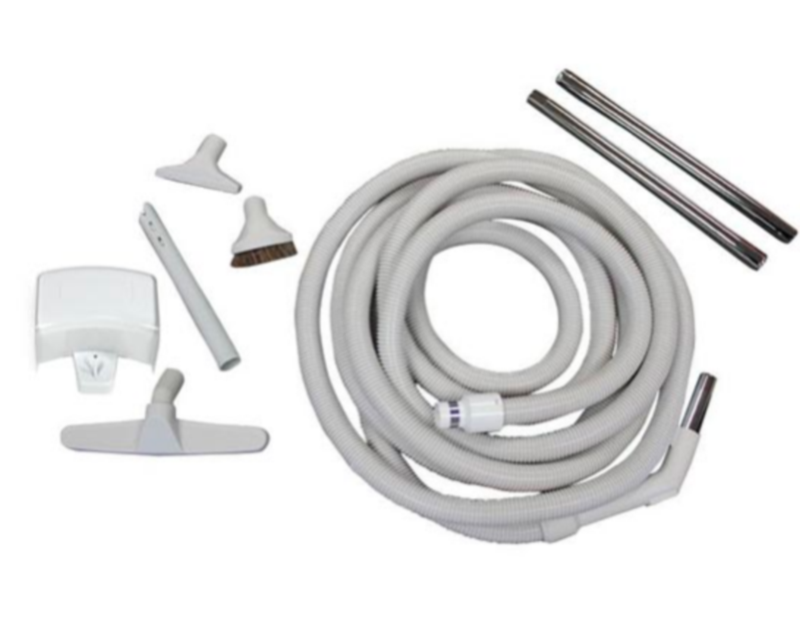
30 ft Standard Hose & Tools
Check the inlet, hose control and head connection.
View product details →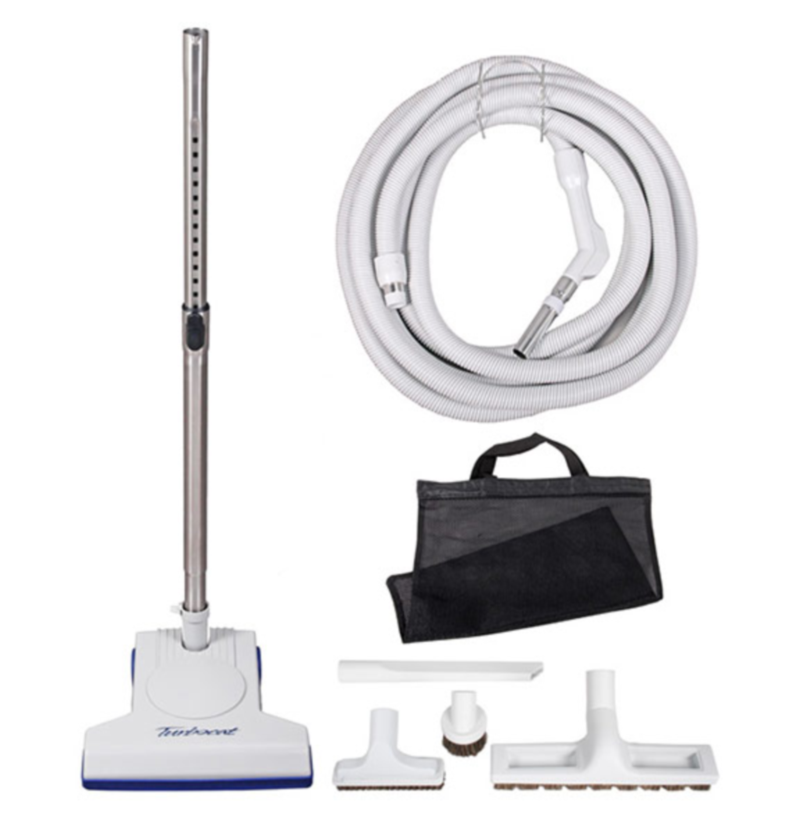
35 ft TurboCat Attachment Kit
Check the inlet, hose control and head connection.
View product details →
35 ft Low-Voltage Hose & Tools
Check the inlet, hose control and head connection.
View product details →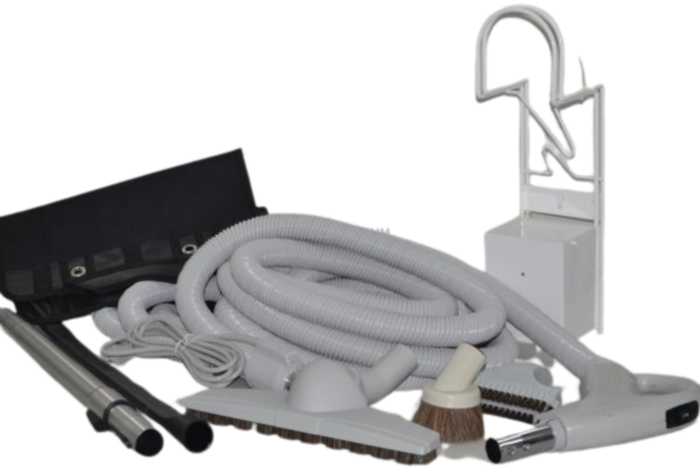
35 ft Pigtail Hose & Tools
Check the inlet, hose control and head connection.
View product details →