Central Vacuum Installation in Northern VA, DC & Maryland
A cleaner home starts with a system that fits it.
Plan a new installation, add central vacuum to an existing home, or replace an aging power unit. We help you work through layout, access and equipment compatibility before the work begins.
Tell us what you need. We’ll contact you to confirm availability and your appointment.
New construction · Existing homes · Power-unit replacements

A system planned around your home
Can central vacuum be installed in an existing home? Often, yes. The deciding factors are a workable pipe route, useful inlet locations, access between floors and a suitable power-unit location. A home assessment establishes what is practical before equipment is selected.
New construction
Plan inlet coverage and pipe routes with the builder before walls close. Coordinate the power-unit location, electrical requirements and installation stages.
Existing homes & renovations
Review accessible basements, attics, closets and utility spaces. Discuss any openings, patching and trade coordination as part of the proposed scope.
Replacement & upgrades
An existing pipe network may be reusable after inspection. Check airflow needs, connections, controls and hose compatibility before replacing the power unit.
What we plan before installation
| Planning question | What it changes |
|---|---|
| Where will you clean? | Room layout, stairs and hose reach determine practical inlet locations. Floor area alone does not establish coverage. |
| How will the pipe travel? | Accessible routes, bends, floor transitions and finished surfaces affect labor and feasibility. |
| Where will the unit sit? | Allow service access and follow the selected model’s mounting, electrical, ventilation and exhaust requirements. |
| Which hose system fits? | Standard hoses and retractable hoses need different planning. Explore Hide-A-Hose before choosing a layout. |
| What is included? | Confirm equipment, installation, commissioning, electrical work and any finish repairs in the written scope. |
Planning for a house, townhome or condo
- Single-family homes: assess routes between floors, useful inlet positions, hose reach and service access to the power unit.
- Townhomes: allow for narrow layouts, multiple levels and practical hose storage. Review the route through the home before selecting equipment.
- Condos and apartments: confirm building or owner permissions, shared-wall and floor constraints, equipment space and any restrictions on routing or exhaust. A retrofit requires an assessment of the individual property.
Send a rough floor plan, approximate floor area, levels, flooring types and photographs of accessible utility spaces. Include any building requirements and your preferred hose-storage arrangement.
Access matters as much as equipment

A tidy installation starts with a realistic route through the building. Ceiling height, finished surfaces and the work area belong in the planning conversation.
Send room-layout information and photos of accessible utility spaces with your request. For a replacement, include the current unit label, pipe connections and wall inlet. These help us prepare; the final route and scope require assessment.
See exposed piping and a wall inlet
This short, silent clip shows piping and an inlet during work in progress. It provides a useful view of the system behind the wall; the route for your home will depend on its layout.
From layout review to a working system
- Review the project: new build, retrofit, addition or equipment replacement; confirm the areas you want to clean.
- Map the layout: plan hose reach, inlet positions, pipe routes and access to the power unit.
- Select compatible equipment: match the power unit, hose, floor tools and controls to the installation.
- Agree the scope: review labor, materials, scheduling, site access and any work by other trades.
- Install and check: test operation, connections and airflow at the installed inlets.
- Walk through care: show normal operation, debris collection and the maintenance instructions for the selected model.
What determines installation cost?
A useful quote starts with the building and the required work. A power-unit replacement and a finished-home installation involve very different scope.
System & accessories
Power-unit selection, inlet count, hose type, powerhead and accessories influence the equipment total.
Routing & access
Pipe length, access between levels, finished surfaces and the location of existing infrastructure affect installation labor.
Project coordination
Confirm electrical work, wall or ceiling repairs, painting, permits where applicable and any work handled by others.
Ask for a written scope that separates equipment, installation and any exclusions. We confirm assessment arrangements and applicable charges before scheduling.
Choose equipment after checking compatibility


Brand names alone do not establish compatibility. Existing inlet connections, hose power requirements and control wiring need to be checked. Product options below are a starting point for discussion, not a complete installation quote.
A clear next step, from request to visit
Tell us what you need
Share your service address, system brand or model, and the problem or project. Photos of the label and connections help us prepare.
Confirm the visit
We discuss coverage, availability, the visit window and applicable diagnostic or service-call charges before booking.
Review the options
After assessment, discuss the findings, proposed scope and cost before additional repair or installation work.
Installation across Northern Virginia, DC & Maryland
Ace Vacuums supports central vacuum projects in Northern Virginia, Washington, DC and Maryland. Share the installation address so we can confirm coverage, access requirements and scheduling.
Need help with an existing fault first? Start with central vacuum repair. For ongoing care, see central vacuum maintenance service.
Frequently asked questions
Can you install central vacuum in a finished home?
Many finished homes have workable routes through accessible spaces. Feasibility depends on the structure, route and inlet locations. An assessment determines whether openings or finish repairs will be needed.
When should I plan it during new construction?
Bring it into the planning conversation before rough-in work and before walls close. Coordinate timing with the builder and other trades so the route and service access are accounted for.
Can I keep my existing pipes and inlets?
Possibly. Their condition, layout, connections and performance need to be checked. Reusing suitable infrastructure can be part of a replacement proposal.
How many wall inlets will I need?
That depends on the floor plan, obstacles, stairs and selected hose length. The aim is practical reach to the intended cleaning areas, not a fixed number per square foot.
Can I add a retractable hose?
A Hide-A-Hose system needs suitable storage tubing, routing and compatible equipment. A standard inlet cannot be assumed to accept a retractable hose without changes.
Are electrical work and wall repairs included?
Confirm these items in the written proposal. The required work varies by home, power unit and installation route; some work may need coordination with other trades.
How long will installation take?
A replacement unit and a multi-floor retrofit have different requirements. We discuss timing after reviewing the scope, access and equipment availability.
What should I send with my request?
Share your address, project type, floor-plan information if available, and photos of the proposed unit location. For an existing system, add the model label, inlet and hose connection.
What should be checked at the installation handover?
Review operation at the installed inlets, start/stop controls, hose and floor-tool use, and the collection and filter instructions for the exact model. Confirm the equipment supplied, any remaining work, warranty paperwork and whom to contact for support.
What happens to finished walls and ceilings during a retrofit?
The available route determines whether access openings are needed. Discuss protection of the work area, openings, patching, painting and cleanup in the written scope, including which work is handled by other trades.
Let’s plan the right installation for your home
Tell us where the system is going, what is already installed and what you want to improve. We will help establish the next step.
Tell us what you need. We’ll contact you to confirm availability and your appointment. Service coverage and applicable charges are discussed before scheduling.
Explore More Central Vacuum Help
Updated October 18, 2026 · Ace Vacuums
Manufacturer installation guidance ↗MD Central Vacuum manuals ↗
Explore Power Units & Cleaning Packages
Start with the home layout, collection method and cleaning tools. These current product listings are a starting point for a system-design discussion, not a preselected fit for your home.

MD ModernDay M615h · 120 V
Confirm voltage, mounting and installation requirements.
View product details →
Riccar RCU-H9 Hybrid
Confirm voltage, mounting and installation requirements.
View product details →
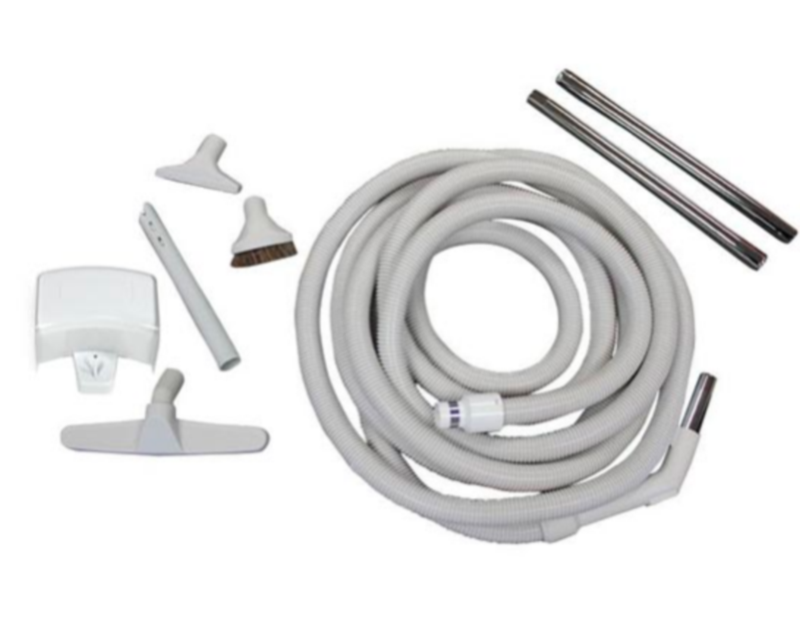
30 ft Standard Hose & Tools
Check the inlet, hose control and head connection.
View product details →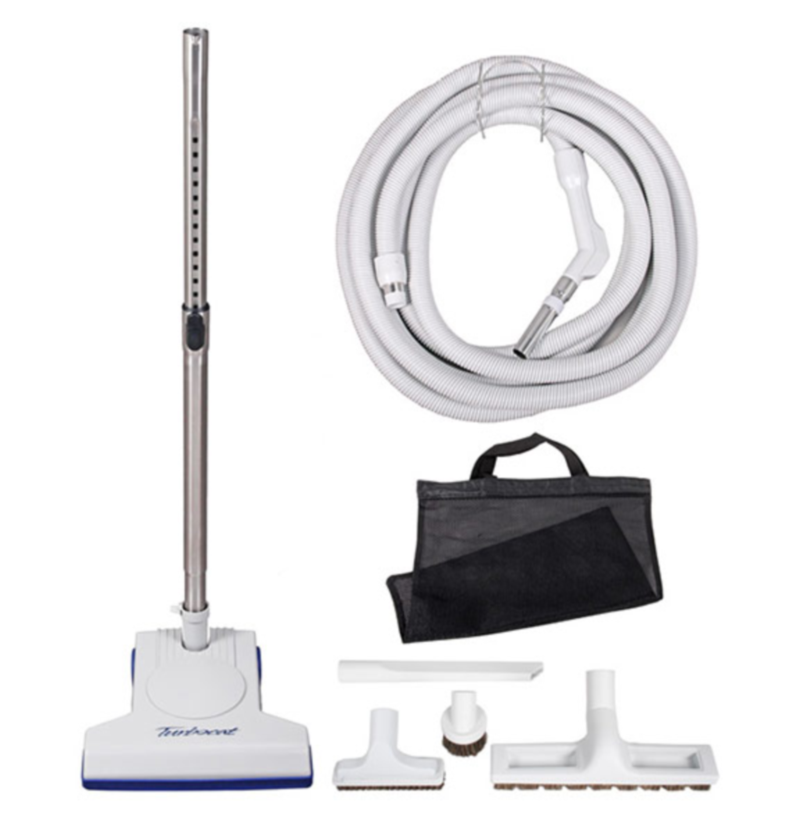
35 ft TurboCat Attachment Kit
Check the inlet, hose control and head connection.
View product details →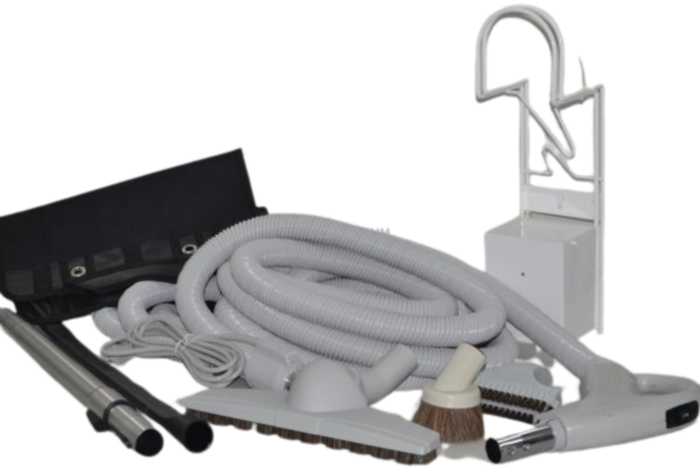
35 ft Pigtail Hose & Tools
Check the inlet, hose control and head connection.
View product details →