


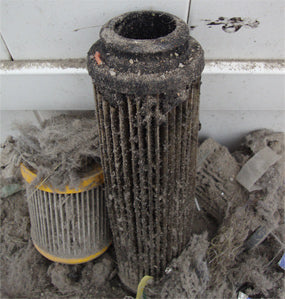
Bagless vacuum cleaners
Bagless Vacuum Cleaners
Looking for a vacuum cleaner without disposable dust bags? This guide explains how bagless vacuum cleaners work, their advantages and limitations, the difference between bagged and bagless models, maintenance requirements, common problems and what to consider before choosing a vacuum for your home.
Are Bagless Vacuum Cleaners a Good Choice?
Are Bagless Vacuum Cleaners a Good Choice?
A bagless vacuum cleaner can be a practical choice if you prefer collecting dirt in a reusable dust container instead of purchasing replacement dust bags. However, bagless models still require regular emptying and maintenance of their dust containers, filters and other user-serviceable components. The right choice depends on your flooring, cleaning routine, dust sensitivity, budget and maintenance preferences.
What Is a Bagless Vacuum Cleaner?
What Is a Bagless Vacuum Cleaner?
A bagless vacuum cleaner is a vacuum that collects dirt and debris in a reusable dust container instead of relying on a disposable dust bag as its primary collection method. As the vacuum draws in air, its collection and filtration system separates and retains debris while air passes through the designed airflow path.
Bagless designs vary between manufacturers and models. Some use cyclonic separation, while others use different collection and filtration arrangements. The exact design determines how the container, filters and other components should be maintained.
Dust Container
The removable container holds collected dust, dirt, hair and other debris until it needs to be emptied.
Debris Separation
Depending on the model, airflow design or cyclonic separation helps separate debris from the moving air.
Filters
Filters retain particles according to the vacuum's filtration design and need to be maintained as directed.
Air Pathway
The hose, ducts, seals and other airflow components must remain in suitable condition for normal operation.
Floor Tool
The floor head or attachment collects debris from the surface being cleaned and directs it into the vacuum.
Reusable System
The container is emptied and the applicable filters and components are maintained according to the instructions.
How Does a Bagless Vacuum Cleaner Work?
How Does a Bagless Vacuum Cleaner Work?
The Motor Creates Airflow
The vacuum's motor and fan system generate airflow that draws dirt and debris into the cleaning head or attachment.
Dirt Enters the Vacuum
Dust, hair and other debris travel through the floor head, hose or inlet and into the vacuum's collection pathway.
Debris Is Separated
The collection design separates and retains debris in the dust container. The precise method varies by model.
Air Passes Through Filtration
The vacuum's filtration system captures particles as specified by the product's design.
Collected Dirt Stays in the Container
The container holds the collected debris until the user empties it according to the manufacturer's instructions.
The Container and Filters Are Maintained
Regular emptying and proper filter care help maintain the vacuum's intended airflow and operation.
What Are the Benefits of Bagless Vacuum Cleaners?
What Are the Benefits of Bagless Vacuum Cleaners?
No Disposable Bags
Bagless models do not require routine replacement of a conventional disposable dust bag.
See Collected Dirt
A visible dust container can help you judge when it is time to empty the vacuum.
Reusable Container
The dust container is designed to be emptied and used again rather than discarded after each fill.
Different Styles
Bagless designs are available in several vacuum formats to suit different cleaning routines and storage needs.
Direct Container Access
Users can often access the collection container directly without removing a disposable bag.
No Routine Bag Purchases
Because disposable bags are not used for routine collection, ongoing bag purchases are generally not part of ownership. Filters and other replacement parts may still cost money.
What Are the Disadvantages of Bagless Vacuum Cleaners?
What Are the Disadvantages of Bagless Vacuum Cleaners?
Bagless vacuum cleaners can be convenient, but the collection method is not ideal for every household. Consider how comfortable you are with emptying the container and maintaining the filters before making a purchase.
Dust During Emptying
Emptying a dust container can disturb collected debris. Follow the manufacturer's instructions and empty it carefully in an appropriate location.
Filter Cleaning
Some models require regular filter cleaning or replacement. Neglecting the specified maintenance can affect performance.
Container Cleaning
The dust container may need occasional cleaning. Only wash parts that the manufacturer identifies as washable.
Capacity Limitations
The container must be emptied when it reaches the model's recommended fill level. The interval depends on use and debris.
Maintenance Requirements
Hair, dust and debris may accumulate around accessible components and require attention.
Not All Models Are the Same
Container design, filtration, tools and maintenance requirements differ, so check the specifications for each model.
Bagged vs Bagless Vacuum Cleaners
Bagged vs Bagless Vacuum Cleaners
Bagged and bagless vacuums both collect dirt, but they handle collected debris differently. The best option depends on your preference for maintenance, dust handling, replacement supplies and the specific vacuum's design.
| Feature | Bagless Vacuum | Bagged Vacuum |
|---|---|---|
| Dirt Collection | Uses a reusable dust container. | Uses a replaceable dust bag. |
| Routine Supplies | No disposable bags, but filters or other parts may need replacement. | Requires compatible replacement bags and may also need filter maintenance. |
| Emptying | The container is emptied and reused. | The filled bag is removed and replaced. |
| Dust Handling | Emptying can release dust, depending on the design and technique. | Replacing a bag can reduce direct contact with collected debris, depending on the bag and removal design. |
| Visibility | Some models let you see the collected debris. | The bag usually conceals the collected debris. |
| Maintenance | Container and applicable filters need attention. | Bag replacement and applicable filter maintenance are required. |
| Best Fit | Users who prefer a reusable container and do not want routine bag purchases. | Users who prefer disposing of collected dirt in a bag rather than emptying a reusable container. |
What Types of Bagless Vacuum Cleaners Are Available?
What Types of Bagless Vacuum Cleaners Are Available?
Bagless technology is used in different vacuum formats. Each type has its own handling, storage and cleaning considerations.
Bagless Upright Vacuums
Upright models combine the main vacuum body and floor-cleaning head in one unit. Check weight, maneuverability and the tools supplied with the model.
Bagless Canister Vacuums
Canister models separate the main unit from the cleaning wand and floor head, offering a different handling style from upright designs.
Bagless Stick Vacuums
Stick vacuums are often chosen for quick cleaning and convenient storage. Consider battery runtime, charging and container size.
Handheld Vacuums
Handheld models can be useful for smaller cleaning tasks, furniture, vehicles and other accessible areas, depending on the supplied tools.
Robot Vacuums
Some robot vacuums use bagless onboard dust containers, while others use a separate docking or collection arrangement. Check the specific design.
Commercial and Specialty Models
Some vacuums are designed for particular cleaning environments. Check the intended application and manufacturer guidance before using a model for demanding tasks.
Are Bagless Vacuum Cleaners Good for Different Floor Types?
Are Bagless Vacuum Cleaners Good for Different Floor Types?
A bagless vacuum can be suitable for different surfaces when its cleaning head and attachments are designed for those surfaces. Bagless collection alone does not determine how effectively a vacuum cleans carpet, hard floors, stairs or upholstery.
| Surface | What to Look For | Practical Tip |
|---|---|---|
| Carpet | A floor head designed for the carpet type and pile. | Check the manufacturer's guidance for the carpet and brush setting. |
| Hard Floors | A suitable hard-floor tool or adjustable floor head. | Use an attachment that is appropriate for the surface finish. |
| Area Rugs | A compatible floor head and suitable brush settings. | Check the rug manufacturer's care guidance and test cautiously when needed. |
| Stairs | A suitable hose, handheld mode or stair-cleaning attachment. | Keep the vacuum stable and avoid pulling it toward the edge. |
| Upholstery | A compatible upholstery tool. | Follow fabric care instructions and test a discreet area when appropriate. |
| Pet Hair | A suitable brush or pet-hair attachment. | Remove accumulated hair from the brush according to the manual. |
What Should You Look for When Buying a Bagless Vacuum?
What Should You Look for When Buying a Bagless Vacuum?
Flooring and Cleaning Needs
Identify whether you mainly clean carpet, hard floors, rugs, stairs, upholstery or a combination of surfaces.
Dust Container Capacity
Consider how much debris you typically collect and how often you are comfortable emptying the container.
Filtration Design
Review the stated filtration features and any applicable certifications or test claims in the product documentation.
Emptying Mechanism
Look at how the container opens, detaches and empties, especially if you prefer to minimize contact with collected dust.
Weight and Handling
Consider how easy the vacuum is to move, carry, store and use in the areas you clean most often.
Noise and Controls
Review the available operating settings, controls and published noise information where these are important to you.
Maintenance Requirements
Check whether filters are washable, how they should be dried, and which components need periodic replacement.
Accessories
Compare the supplied floor head, crevice tool, upholstery tool and other attachments with your cleaning requirements.
Ownership Costs
Consider the purchase price alongside filters, batteries where applicable, replacement parts and expected maintenance.
How Do You Maintain a Bagless Vacuum Cleaner?
How Do You Maintain a Bagless Vacuum Cleaner?
Regular maintenance helps keep the vacuum's collection and airflow components in suitable condition. The correct cleaning process and maintenance interval depend on the specific model.
Regular Maintenance Checklist
- Empty the dust container at the recommended fill level.
- Follow the manual when removing and cleaning the container.
- Clean or replace filters as directed.
- Allow washable filters to dry completely before reinstalling.
- Check the hose and accessible airflow path for blockages.
- Remove hair and debris from the brush roll safely.
- Inspect seals and removable components for visible damage.
- Check attachments for accumulated debris.
- Pay attention to unusual sounds or changes in suction.
- Use only compatible replacement parts.
Why Maintenance Matters
A bagless vacuum depends on its container, filters, seals, hose and cleaning head working together. A full container, restricted filter or blockage can affect airflow and cleaning performance.
Maintenance also provides an opportunity to spot damage, loose components and recurring problems before attempting more complicated troubleshooting.
What Are Common Bagless Vacuum Cleaner Problems?
What Are Common Bagless Vacuum Cleaner Problems?
Reduced cleaning performance does not automatically mean the motor has failed. Some problems are related to routine maintenance, attachments, filters or restricted airflow. Always follow the instructions for your particular model.
Weak Suction
Check whether the dust container is full and inspect accessible filters, the hose and the cleaning head for restrictions.
Vacuum Does Not Turn On
Check the power source, battery charge where applicable and user-accessible controls. Stop if electrical damage is suspected.
Vacuum Shuts Off
A restriction or overheating condition may be involved. Follow the model's shutdown and cooling instructions rather than repeatedly restarting it.
Brush Roll Does Not Spin
Hair, string, an incorrect setting or a component issue may prevent the brush from rotating. Inspect it only as directed.
Dust Escapes During Use
Check the container installation, lid, seals and accessible filters for incorrect fitting or visible damage.
Unusual Noise or Smell
A blockage or mechanical or electrical problem may be involved. Stop using the vacuum if there is a burning smell, smoke or severe unusual noise.
How Do You Troubleshoot a Bagless Vacuum Cleaner?
How Do You Troubleshoot a Bagless Vacuum Cleaner?
| Problem | First Things to Check | When to Consider Service |
|---|---|---|
| Weak suction | Dust container, accessible filters, hose and floor head. | Suction remains weak after permitted maintenance. |
| Vacuum will not start | Power connection, battery charge and user controls. | The vacuum remains inactive or electrical damage is suspected. |
| Repeated shutdown | Possible blockage and the model's recommended cooling procedure. | The problem returns or the vacuum overheats repeatedly. |
| Brush will not spin | Brush setting, visible hair or debris, and applicable instructions. | The brush remains inactive after safe basic checks. |
| Dust escapes | Container fitting, lid, seals and correctly installed filters. | Parts are damaged or dust continues escaping. |
| Unusual noise | Accessible attachments and visible blockages, with power disconnected. | The noise is severe, persistent or appears to come from the motor. |
| Burning smell | Stop using the vacuum; do not continue testing it. | Professional inspection is recommended before further use. |
When Does a Bagless Vacuum Need Professional Repair?
When Does a Bagless Vacuum Need Professional Repair?
Electrical Problems
Damaged cords, sparking, suspected wiring problems or repeated electrical trips should be inspected by qualified personnel.
Motor Problems
Persistent motor noise, a burning smell or repeated shutdowns may indicate a problem that requires professional diagnosis.
Persistent Suction Loss
If approved basic checks do not resolve reduced suction, a technician may need to investigate the cause.
Brush Roll Failure
A brush that remains inactive after safe, model-approved checks may have a drive, electrical or component issue.
Broken Components
Cracked containers, damaged seals, broken connections and defective parts may need compatible replacements.
Repeated Overheating
If the vacuum repeatedly overheats or shuts down, stop using it and seek advice rather than continuing to restart it.
How Often Should You Clean Bagless Vacuum Filters?
How Often Should You Clean Bagless Vacuum Filters?
There is no single filter-cleaning schedule that applies to every bagless vacuum. Maintenance intervals depend on the model, filter type, how frequently the vacuum is used and the manufacturer's recommendations.
Check the Manual
Follow the specified inspection, cleaning and replacement intervals for your model.
Identify the Filter Type
Some filters may be washable, while others must be cleaned differently or replaced. Do not assume all filters can be washed.
Dry Washable Filters Fully
If washing is permitted, allow the filter to dry completely before reinstalling it.
Check for Damage
Inspect accessible filters for tears, deformation or other visible damage and replace them as instructed.
Use Compatible Replacements
Check the model number and manufacturer guidance before buying a replacement filter.
Do Not Ignore Airflow Changes
Reduced suction may have several causes. Inspect the container, filters and accessible airflow path as allowed by the manual.
Are Bagless Vacuum Cleaners Suitable for Dust-Sensitive Homes?
Are Bagless Vacuum Cleaners Suitable for Dust-Sensitive Homes?
Suitability depends on the specific vacuum's filtration design, how well its components are sealed and how collected debris is emptied. The bagless label alone does not establish how effectively a vacuum retains fine particles or how much dust may be released during maintenance.
What to Review
- Published filtration information for the exact model.
- Whether filtration claims are supported by documentation.
- How the container opens and empties.
- Whether filters and seals can be maintained correctly.
- Availability of compatible replacement filters.
How to Reduce Dust During Emptying
- Follow the manufacturer's emptying instructions.
- Empty the container carefully and avoid sudden movements.
- Choose an appropriate location for emptying.
- Clean the container only as permitted by the manual.
- Keep filters correctly fitted and properly maintained.
Are Bagless Vacuum Cleaners Cheaper to Maintain?
Are Bagless Vacuum Cleaners Cheaper to Maintain?
Bagless vacuums generally do not require routine purchases of disposable vacuum bags, but that does not mean they have no ongoing costs. Filters, batteries, brush components and other replacement parts may be needed depending on the model and use.
| Cost Category | Bagless Vacuum | Bagged Vacuum |
|---|---|---|
| Dust Collection Supplies | No routine disposable bag purchases. | Compatible replacement bags are generally required. |
| Filters | May require cleaning or replacement. | May require cleaning or replacement. |
| Other Parts | Potential costs include brush components, batteries or other model-specific parts. | Potential costs include brush components, batteries or other model-specific parts. |
| Maintenance Time | Requires container emptying and applicable cleaning. | Requires bag replacement and applicable cleaning. |
| Total Ownership Cost | Depends on purchase price, use, parts and maintenance. | Depends on purchase price, bag costs, parts and maintenance. |
To compare models fairly, consider their purchase prices, compatible consumables, maintenance instructions, warranty terms and the expected way you will use them. Do not assume that one collection type is always less expensive over its lifetime.
Where Can You Find Vacuum Cleaner Parts and Repair Help?
Where Can You Find Vacuum Cleaner Parts and Repair Help?
If your bagless vacuum needs a compatible filter, accessory or replacement component, identify the exact model before purchasing. For persistent suction loss, electrical problems, unusual noise or other issues that cannot be resolved with approved basic checks, professional service may be appropriate.
Explore Vacuum Cleaners
Compare available vacuum cleaners and review the features relevant to your cleaning needs.
Explore Vacuum Cleaners →Vacuum Repair
If your vacuum continues to malfunction after basic manufacturer-approved checks, explore repair information.
Explore Vacuum Repair →Vacuum Parts and Accessories
Identify your vacuum model and check compatibility before selecting replacement parts or cleaning accessories.
Explore Vacuum Parts →Our Bagless Vacuum Cleaner Buying Guide Summary
Our Bagless Vacuum Cleaner Buying Guide Summary
Bagless vacuum cleaners offer a reusable dust container and remove the need for routine disposable vacuum bags. However, container emptying, filter care and model-specific maintenance remain important parts of ownership.
What Makes Bagless Convenient?
- No routine disposable vacuum bag purchases.
- A reusable container for collecting debris.
- Visible debris levels on models with transparent containers.
- Availability in multiple vacuum styles.
What Should Buyers Consider?
- Dust handling when emptying the container.
- Filter cleaning and replacement requirements.
- Container capacity and ease of emptying.
- Compatible tools for the home's flooring.
- Availability and cost of replacement parts.
Who May Prefer a Bagless Model?
A bagless vacuum may suit users who prefer a reusable collection container and do not want to buy disposable bags regularly, provided they are comfortable with the model's emptying and maintenance routine.
Bagless Vacuum Cleaner FAQs
Bagless Vacuum Cleaner FAQs
Find answers to common questions about bagless vacuum cleaners, including how they work, their benefits, maintenance, filters, troubleshooting and buying considerations.
A bagless vacuum cleaner collects dirt and debris in a reusable dust container instead of using a disposable dust bag as its primary collection method. The container is emptied and reused according to the manufacturer's instructions.
A motor-driven airflow system draws dirt into the vacuum. Its collection design separates and retains debris in a reusable container, while the filtration system captures particles according to the model's design.
Neither type is automatically better for every household. Bagless models use a reusable dust container, while bagged models use replaceable bags. Compare filtration, dust handling, maintenance and ongoing costs for the specific models.
Many bagless vacuum cleaners use filters as part of their collection and filtration system. The number, type and maintenance requirements depend on the model. Follow the manufacturer's instructions.
Empty the dust container at the fill level recommended by the manufacturer. How often this is needed depends on the container capacity, cleaning frequency and amount of debris collected.
Some bagless vacuum cleaners are designed with floor heads or attachments for pet hair. Check the specific model's tools and maintenance requirements, especially how hair is removed from the brush roll and container.
Weak suction can be associated with a full dust container, restricted filters, a blocked hose, debris in the floor head or another airflow issue. Check accessible components as directed in the model's manual.
Only wash a filter if the manufacturer specifically identifies it as washable. Follow the instructions and allow washable filters to dry completely before reinstalling them.
A blockage or overheating condition may be involved, although the cause depends on the model. Follow its shutdown and cooling instructions. If the problem returns, stop using the vacuum and seek service advice.
Dust escaping during use may be associated with an incorrectly fitted container, a damaged seal or an incorrectly installed or damaged filter. Turn the vacuum off and inspect accessible components according to the manufacturer's instructions.
Suitability depends on the specific model's filtration, sealing and dust-emptying design. Review the manufacturer's documented filtration information and consider whether emptying a reusable container could disturb collected dust.
Bagless models do not generally require routine disposable vacuum bag purchases, but filters, batteries and other parts may still need maintenance or replacement. Total cost depends on the model and how it is used.
Many models can clean multiple floor types when equipped with a suitable floor head or attachments. Check the model's instructions for the surfaces it supports and any required brush or suction settings.
Consider professional service if the vacuum continues to lose suction, repeatedly shuts off, makes severe unusual noises or has damaged electrical components. Stop using it if you notice smoke, sparking or a burning smell.
Consider your flooring, cleaning needs, dust container capacity, filtration, ease of emptying, weight, supplied tools, maintenance requirements, replacement parts and total ownership costs. Compare the exact model's specifications before buying.
Looking for the Right Vacuum Cleaner?
Whether you are considering a bagless vacuum, comparing cleaning systems or trying to resolve a maintenance issue, start by identifying your cleaning needs and reviewing the specific model's features. Check compatibility and manufacturer guidance before purchasing replacement parts or performing maintenance.
- 19 Mar, 2022












Your Local Vacuum & Central Vacuum Specialists
Visit AceVacuums in Fairfax and Leesburg, Virginia, for expert buying advice, repairs, warranty support, and replacement parts.
Expert Repairs & Service
Brands We Service
Northern Virginia
Washington, DC & Maryland
Welcoming customers from Washington, D.C., Montgomery County, and Prince George’s County, Maryland. Contact our team for showroom directions or to arrange central vacuum service.
Hablamos Español — Service in English & Spanish.