Central vacuum lost suction? Start here.
Clearer diagnosis. A more useful repair.
When the motor runs but cleaning performance drops, the location of the problem matters. Start with the symptoms, then get help from the AceVacuums central vacuum team.
Tell us what you need. We’ll contact you to confirm availability and your appointment.
Fairfax & Leesburg showrooms · VA, DC & MD

The motor runs. Where is the airflow being lost?
If your central vacuum runs but pickup is weak, first note whether the issue affects one inlet, every inlet or only an attachment. A full collection system, restricted filter, leaking seal, hose obstruction or pipe problem can reduce airflow. A running motor does not confirm that the whole system is working correctly.
AceVacuums diagnoses suction problems by separating the hose and tools, inlet and piping, and power-unit performance. If the unit does not start, use the central vacuum not working guide instead.
Choose the pattern you are noticing
One inlet is weak
Compare another inlet with the same hose and tool, using normal operation. An inlet seal or branch-line problem may need attention.
Every inlet is weak
The shared hose can still be the cause. Collection, filtration, seals, main piping, exhaust or power-unit performance also need checking.
Only the floor tool cleans poorly
If airflow at the hose is normal, look at the tool’s setting, visible opening and brush operation. A carpet head fault is a different problem.
Four useful checks before you call
Switch off and unplug the power unit before routine collection maintenance. Disconnect electrically powered accessories before inspection. Follow the exact model’s owner instructions; leave electrical covers and wiring closed.
Check collection & filtration
Look at the bag or bin level and the model’s accessible filter or screen. Empty, replace or maintain only as directed in the manual.
Check what should seal
Look for an incompletely latched collection bin, displaced accessible gasket, open inlet door or obvious damage to the hose.
Separate tool from hose
With power off, detach the tool and check its accessible opening. Note whether pickup changed suddenly after collecting a bulky item.
Then record the pattern: which rooms are affected, whether the same hose was used, and whether the change was sudden or gradual. Do not force rods, liquids or debris through the piping, and do not remove required filtration.
What the symptom can—and cannot—tell you
| Observation | Possible area | What diagnosis adds |
|---|---|---|
| Weak at one inlet with the same hose | Inlet closure, branch restriction or local leak. | Comparison with other inlets and inspection of that branch. |
| Weak everywhere using one hose | Hose restriction, collection/filter issue, leak, main line or unit. | Separate hose testing and power-unit airflow assessment. |
| Strong hose airflow; poor carpet pickup | Powerhead, belt, brush, setting or connection. | Tool-specific inspection; electric and turbine heads differ. |
| Suction changed after emptying | Collection container, bag connection, seal or filter seating. | Check reassembly against that model’s instructions. |
| Performance fades, noise changes or heat increases | Restricted airflow or an equipment fault. | Stop repeated testing and arrange a professional assessment. |
Find the restriction before replacing equipment

A careful assessment compares the hose and tools, affected inlets and power unit. Testing helps distinguish an accessory fault from a branch restriction, shared pipe problem or equipment issue.
- Review the model, symptoms and recent maintenance.
- Compare airflow and check accessible seals and connections.
- Isolate the affected section before proposing repair.
- Explain the findings, scope and applicable costs.
- Check operation again after the agreed work.
Watch: central vacuum suction troubleshooting
An AceVacuums introduction to suction-loss symptoms. Follow your model’s manual for maintenance and keep owner checks to accessible components.
Pinpoint your suction problem
Before you contact AceVacuums, have these three details ready:
- Where it happens: One inlet, every inlet or only a floor tool. Note whether you used the same hose.
- When it started: A sudden drop or gradual change, including any recent emptying or maintenance.
- Your equipment: Brand, model and photos of the power unit and hose connections.
Tell us what you need. We’ll contact you to confirm availability and your appointment.
Recurring clogs, leaks and repair-versus-upgrade decisions
A recurring blockage deserves a closer look at what is being collected, the hose and tool pathway, and the installation. Clearing a symptom without checking its cause can leave the same problem returning.
A new power unit cannot repair a leaking inlet or blocked pipe. If the unit itself has a confirmed fault, compare repair cost, parts availability, condition and the fit of a replacement before deciding.
For a service request, include a model-label photo, the affected rooms, any recent renovation or maintenance, and whether a particular hose or tool changes the symptom.
Local help, from two Virginia showrooms
AceVacuums supports homeowners in Northern Virginia, Washington, DC and Maryland. Call with your service address to confirm in-home coverage, availability and applicable charges. For hose or powerhead testing, ask what to bring before travelling.
AceVacuums Fairfax
11110 Main StreetFairfax, VA 22030
703-997-9292 · Extension 1
AceVacuums Leesburg
300 Fort Evans Road NE, Suite 104Leesburg, VA 20176
703-997-9292 · Extension 2
Frequently asked questions
Why did my central vacuum suddenly lose suction?
A blockage, disconnected or leaking connection, collection-system issue or equipment fault can cause a sudden change. Note what happened just before it started and whether one or all inlets are affected.
Why is suction weak at every inlet?
Shared components need attention: the hose, collection system, filtration, seals, main piping or power unit. Testing every inlet with the same obstructed hose can make a hose problem look like a whole-house fault.
Can one leaking inlet affect the rest of the system?
An inlet that does not close or seal properly can admit unwanted air. Its condition is worth checking when diagnosing reduced performance.
Does a running motor mean the power unit is fine?
No. The motor can run while airflow is restricted or the unit has another performance fault. Proper diagnosis compares the unit with the connected hose and piping.
Can I use a drain snake to clear the vacuum pipes?
Do not force a plumbing snake or other improvised object through central vacuum tubing. It can damage thin pipe or fittings or worsen the obstruction. Arrange diagnosis and suitable clearing methods.
Will a new hose or power unit fix low suction?
Only if the fault is in that component and the replacement is compatible. Diagnose first so a new purchase does not leave the original pipe, inlet or sealing problem unresolved.
What should I have ready when I call?
Your service address, brand and model, photos of the unit and hose connections, affected inlets, maintenance history and when the change began.
Get your suction problem properly assessed.
Tell us whether one inlet, every inlet or a particular tool is affected. That is a useful starting point for arranging the right service.
Tell us what you need. We’ll contact you to confirm availability and your appointment. Service coverage and applicable charges are discussed before scheduling.
Explore More
Equipment & accessories to explore
Compare these catalog options after checking the system and connections. A replacement accessory will not fix a pipe blockage or power-unit fault.
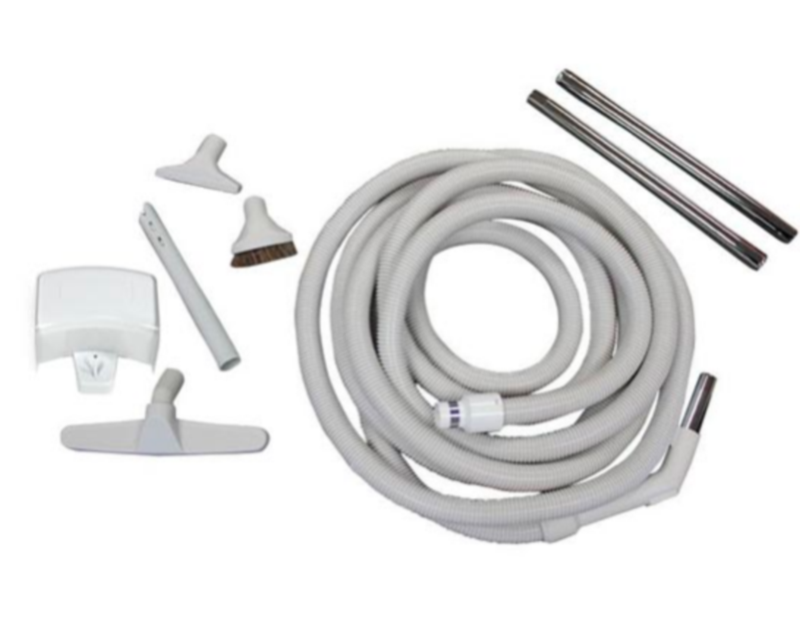
30 ft Standard Hose & Tools
Check the model, connections and included items before ordering.
View product details →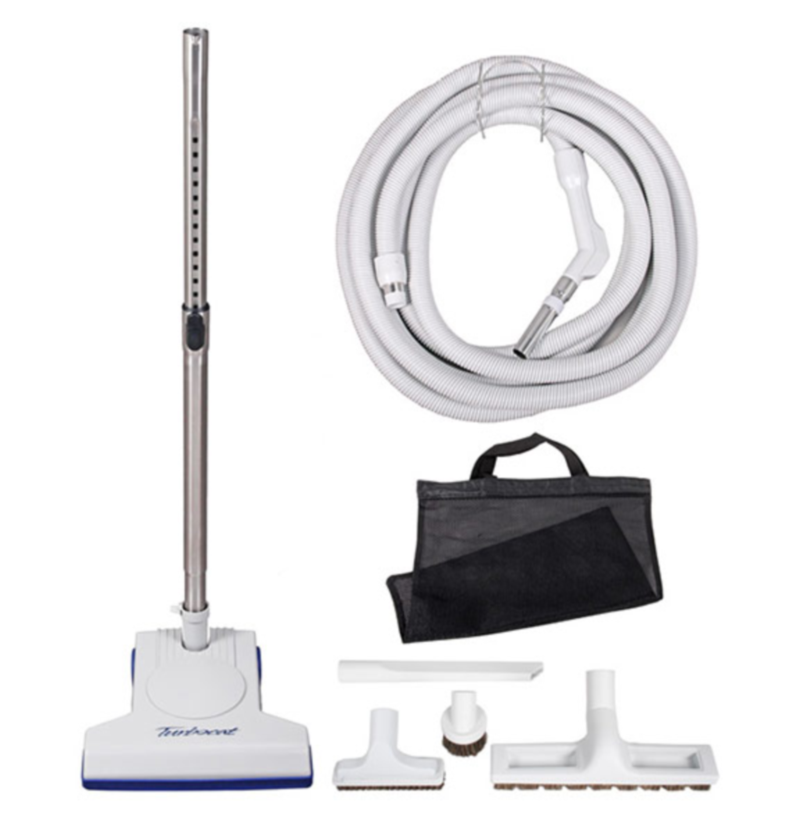
35 ft TurboCat Attachment Kit
Check the model, connections and included items before ordering.
View product details →
35 ft Low-Voltage Hose & Tools
Check the model, connections and included items before ordering.
View product details →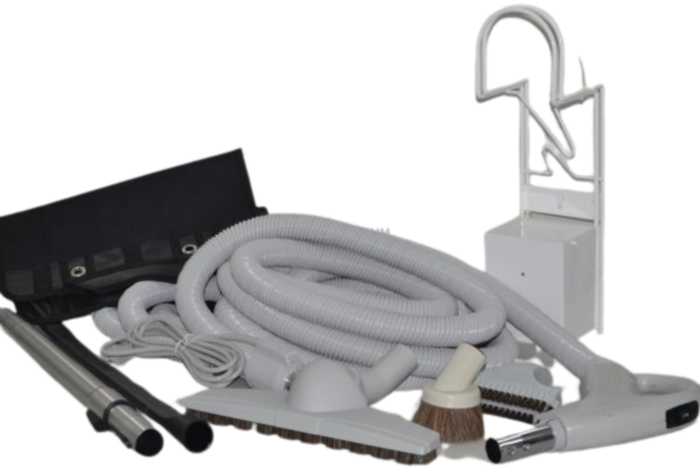
35 ft Pigtail Hose & Tools
Check the model, connections and included items before ordering.
View product details →A “fit-all” catalog name does not establish compatibility. Match the inlet, hose cuff, electrical supply and powerhead connection.
Reviewed October 17, 2026 · AceVacuums
Manufacturer low-suction guidance ↗VACUFLO maintenance guidance ↗