Central Vacuum Service Areas
VA, DC & Maryland
Find local help. Understand your system. Plan the right service.
AceVacuums helps homeowners with central vacuum repair, maintenance, installation and parts matching across Northern Virginia, the Winchester area, Washington, DC and nearby Maryland communities.
Tell us what you need. We’ll contact you to confirm availability and your appointment.
Two Virginia showrooms · In-home visits by arrangement

Find your service area
Search a city or county across all regions, or browse an area below. These are examples of communities we serve, not a complete address directory. We confirm availability for your address and type of work before arranging a visit.
8 area groups shown. Contact us to confirm service for your address.
Fairfax County & nearby communities
Annandale, Fairfax, Vienna, Reston, Herndon, McLean, Great Falls, Burke, Falls Church, Centreville, Chantilly, Springfield, West Springfield, Oakton, Lorton, Fairfax Station, Merrifield and Dunn Loring.
Loudoun County
Leesburg, Ashburn, Sterling, South Riding and Purcellville.
Arlington & Alexandria
Service enquiries for houses, townhomes and condos in Arlington and Alexandria.
Prince William & nearby cities
Manassas, Gainesville, Haymarket and Woodbridge.
Winchester area
Winchester, Virginia. Request central vacuum repair, service or installation for your home. Share your full address so we can confirm appointment availability and any visit charges.
District of Columbia
NW, NE, SW and SE Washington. Include parking, building access and the equipment location when requesting a visit.
Montgomery County
Bethesda, Potomac, Rockville, Silver Spring and Gaithersburg.
Prince George’s & Howard counties
Bowie, Laurel, Upper Marlboro, Columbia and Ellicott City. Contact us to discuss the address and proposed work before arranging travel.
Your town may still be in our service area.
Not every community is listed. Clear the filters, or send your full address and service needs so we can confirm coverage and appointment availability.
What is happening with your system?
Choose the closest description for practical guidance and a relevant reference page. This helps prepare your enquiry; it does not replace a technician’s diagnosis.
Keep electrical covers closed and follow the owner instructions for your exact model.
Showing guidance for weak suction throughout the home.
Compare the shared parts first
A restriction in the hose, collection system or main pipework can affect several rooms. Weak suction alone does not identify a failed motor.
Details to share: Which inlets you used, whether the same hose was involved, recent bag or filter care, and when the change began.
Read the suction-loss guideDescribe the difference between rooms
A local inlet, seal or pipe branch may need attention. Comparing normal use of the same hose at another inlet can help describe the pattern.
Details to share: The affected room, inlet photographs and whether the same hose works elsewhere. Do not open electrical covers or bridge inlet contacts.
Explore central vacuum repairSeparate activation from airflow
Power supply, controls, the hose switch and installed wiring are different parts of the assessment. A start/stop symptom is not a reason to order a motor without diagnosis.
Details to share: Whether the motor is silent, clicks or runs continuously; the model; and any visible indicator lights. Leave internal electrical checks to a technician.
Read the start/stop guideCheck the cleaning equipment as a set
When hose airflow seems normal but floor pickup changes, the head, wand, brush or connections may be involved. Electric and air-driven heads work differently.
Details to share: The hose ends, handle controls, head model and what happens to the brush. Call before bringing removable equipment to a showroom.
Find parts & compatibility guidanceReview the hose and inlet together
A hose that will not retract or latch needs assessment of the installed retractable-hose arrangement. Pulling harder or forcing the mechanism can make the problem worse.
Details to share: The inlet style, hose length if known, whether the unit starts, and where the hose movement stops.
Explore Hide-A-Hose supportStart with the home and the existing system
A new build, finished-home retrofit and power-unit upgrade need different planning. Existing pipes may be reusable after their condition and compatibility are checked.
Details to share: The floor layout, accessible utility spaces, existing inlets, desired hose reach and renovation timing.
Plan an installation or upgradeMatch the exact component
The power unit, hose and cleaning head may be different brands. A familiar brand name or similar-looking part is not enough to confirm fit.
Details to share: Readable model labels, the old part, inlet faceplate and both hose connections. Check any part number against the relevant model guide.
Open the parts reference guidesStop using the system and contact us
Unusual heat, sparks, a burning smell or repeated circuit trips need professional assessment. Do not keep restarting the system or open electrical covers.
Details to share: What you observed and when it occurred. Do not run the equipment again to reproduce the symptom for a video.
Call the service teamTell us what you need. We’ll contact you to confirm availability and your appointment.
One symptom. Several possible causes.
A central vacuum connects the cleaning tool to a remote power unit through a hose, wall inlet and pipe network. The location of the symptom helps decide what to assess.
Open the symptom comparison reference
These observations help describe a problem. They are not a confirmed diagnosis or instructions to open, rewire or dismantle equipment.
| Observation | What it helps separate | Useful detail for the team |
|---|---|---|
| One inlet differs | A local inlet or pipe branch from components shared across rooms. | Whether the same hose behaves normally elsewhere. |
| Several inlets are weak | The common hose, collection system, pipework and power unit. | Which inlets were tried and recent maintenance. |
| Airflow seems normal; brush does not turn | The cleaning head, wand and connections from the main airflow system. | Head model, power source and handle controls. |
| Unit will not start or stop | Activation and control issues from airflow restrictions. | Sounds, visible lights and the switch or inlet in use. |
Central vacuum terms, explained simply
Low-voltage controls
The control circuit that signals the main unit to start. This is separate from the electrical supply used by some cleaning heads.
Direct-connect & pigtail
Two ways some electric hoses receive power. Match the inlet, hose and head connections before ordering.
Retractable hose
A hose stored within a designed pipe route. Inlet hardware, hose length and routing must work together.
Power-unit replacement
Changing the vacuum unit while reviewing whether existing piping, inlets and controls can be retained.
Retrofit installation
Adding a system to a completed home. Feasibility depends on access, routing, equipment placement and the agreed work.
Model-to-part matching
Using the exact equipment model and connection details to identify compatible bags, filters and replacement components.
Repair, maintain or upgrade?
The best next step depends on the findings, usable equipment and your home’s needs. Compare the proposed work before approving a replacement.
Resolve the confirmed fault
Review targeted repair when a serviceable hose, inlet, head, seal, control or power-unit component is responsible.
Ask: What failed? Which part is proposed? What does the estimate include?
Explore RepairCare for a working system
Review collection capacity, model-specific filtration, seals, accessories and performance as appropriate for the equipment.
Ask: What owner maintenance does my exact model require?
Explore ServiceImprove the right component
Consider new equipment when condition, parts availability, repair cost or changed cleaning needs justify it.
Ask: What can be reused, and which connections or layout changes are needed?
Explore SystemsMake your service enquiry more useful
Use the guide to understand the symptom pattern, then share the details that help the team plan an assessment.
Four details that help us plan
- Your address: include access or parking arrangements.
- The pattern: one room, several inlets, the hose or the cleaning head.
- The equipment: readable model labels and connection photos.
- What changed: recent maintenance, renovations or a sudden fault.
Tell us what you need. We’ll contact you to confirm availability and your appointment.
Installation, retrofit & existing-system reference
Plan access before choosing equipment
For a new build, coordinate pipe routes and inlet positions while access is available. For a finished home, review possible routes through accessible utility spaces and the work needed to reach each area.
- Check hose reach around doors, furniture and stairs.
- Agree on the unit location and required connections.
- Discuss wall or ceiling openings and restoration responsibilities.
- For condos and shared buildings, confirm permissions and access.


Popular central vacuum brands & compatibility
AceVacuums helps with central vacuum systems including Beam, MD, NuTone, VACUFLO, VacuMaid, Cana-Vac and Electrolux. Service options depend on the exact model, condition and available compatible parts.
Identify the power unit
Photograph the complete unit and model label. Note the collection and filtration arrangement without removing electrical covers.
Identify the accessories
Record the hose, handle and cleaning-head models separately. They may not be the same brand as the main unit.
Confirm the connection
Compare the inlet, hose cuff, electrical connection and included parts. A similar appearance is not proof of compatibility.
Your central vacuum reference library
Explore a focused guide for your location, symptom, system or parts question. Each page takes the relevant subject further.
Local service pages
Fairfax CountyCounty service, repair and installation enquiries.AshburnGuidance for existing systems and service planning.SterlingRepair, service and your next practical step.RestonSystem components, repair choices and upgrades.Repair, service & installation
Central vacuum repairDiagnosis and repair options for installed systems.Central vacuum serviceMaintenance and performance assessment.Installation & retrofitsNew construction, existing homes and layout planning.Central vacuum systemsExplore system choices and upgrade considerations.Symptom & hose guides
Lost suctionUnderstand airflow loss across the system.Will not start or stopPower, activation and control symptoms.Hide-A-HoseRetractable-hose systems and service support.Brands & parts reference
MD central vacuum supportSystem, service and replacement guidance.VACUFLO repair supportModel and inlet considerations for VACUFLO systems.Parts, bags & filtersModel-to-part reference guides and shopping links.Your service preparation checklist
Gather these details once and keep them with your equipment records. You can tick off items here or print a copy.
AceVacuums · 703-997-9292
Fairfax: 11110 Main Street, Fairfax, VA 22030
Leesburg: 300 Fort Evans Road NE, Suite 104, Leesburg, VA 20176
Model: ____________________ Serial: ____________________
Date / symptom notes: __________________________________________
0 of 6 preparation items ready.
Checking these boxes does not send a request or save your information. Use the service-request button when you are ready.
In-home visit or showroom assessment?
Call first so we can help choose the right setting. Removable hoses, wands and heads may be assessed in-store; installed piping, inlets and connected equipment may require a visit.
AceVacuums Fairfax
11110 Main StreetFairfax, VA 22030
Discuss your system, bring agreed removable components, or arrange the next assessment.
AceVacuums Leesburg
300 Fort Evans Road NE, Suite 104Leesburg, VA 20176
Get model and accessory guidance or discuss service for your installed system.
Central vacuum service areas & homeowner FAQs
Where does AceVacuums offer central vacuum service?
AceVacuums welcomes central vacuum repair, maintenance and installation enquiries from Northern Virginia, the Winchester area, Washington, DC and nearby Maryland communities listed on this page. Share the full service address and type of work so the team can confirm coverage, availability and applicable charges.
Do you have a store in every service area?
No. AceVacuums has showrooms in Fairfax and Leesburg, Virginia. The other communities on this page are service enquiry areas, not additional store locations. In-home visits are arranged after the address and work are reviewed.
Does an online request confirm an appointment?
No. An online request gives the team the details needed to review your enquiry. AceVacuums contacts you to confirm availability, the type of assessment and your appointment. Ask about visit or diagnostic charges before scheduling.
My town is not listed. Can I still ask about service?
Yes. Contact AceVacuums with the full address and the service needed. The area finder lists communities covered by this guide; it does not make an automatic decision about whether a particular property can be scheduled.
Should I bring the system to a store or request an in-home visit?
Call first. Removable hoses, wands and cleaning heads may be suitable for showroom assessment. Installed piping, wall inlets and connected power-unit faults may need an in-home visit. Leave mounted equipment in place unless the team advises otherwise.
Does weak suction always mean the motor is failing?
No. The hose, collection and filtration system, seals, inlets and installed pipework can also affect airflow. Describe whether one inlet or the whole home is affected and whether the same hose was used. Diagnosis helps avoid replacing an unrelated component.
Can an older system be repaired if I do not know the brand?
Start with clear photographs of the complete unit, model label, wall inlet, hose ends and cleaning head. These help identify the components. Repair options depend on the condition, diagnosis and availability of compatible parts.
Can I replace the power unit and keep the existing pipes?
Possibly. The pipe network and inlets must be in suitable condition and compatible with the proposed system. Mounting, intake and exhaust connections, electrical requirements, controls and cleaning needs also require assessment.
Can central vacuum be installed in a finished home, townhouse or condo?
A retrofit may be possible after the layout and accessible routes are reviewed. The plan should address inlet locations, hose reach, the power-unit location, electrical requirements and any opening or restoration work. Building permissions and access arrangements may also be needed.
Are central vacuum hoses, bags and filters universal?
No. Check the exact component model and connections. Hose cuffs, handles, powerhead connections, inlet types and filtration arrangements vary. A fit-all catalog title does not establish compatibility with every installed system.
How much will service cost, and how soon can it be completed?
The scope, address, diagnosis, access, technician availability and compatible parts affect cost and timing. Ask about applicable visit or diagnostic charges when arranging service, then review the proposed work and estimate before approving repairs.
What information helps with a warranty enquiry?
Have the equipment model and serial number, purchase details, installation information and any warranty paperwork ready. Coverage depends on the manufacturer’s terms and the assessed fault. Ask which charges or parts are covered before authorizing work.
Tell us where you are.
We’ll help plan the next step.
Share your address, equipment details and service needs. AceVacuums will review your request and contact you about the appropriate assessment.
Tell us what you need. We’ll contact you to confirm availability and your appointment.
Central vacuum hoses & cleaning tools
Compare these options when a removable hose or cleaning tool is the component that needs attention. Confirm the exact inlet, controls and electrical connection before ordering.

30 ft Standard Hose & Tools
Match your connections and check the included items.
View Product Details →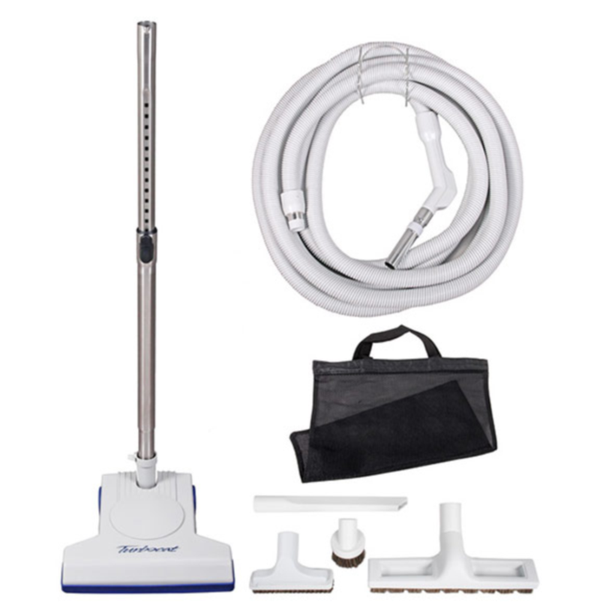
35 ft TurboCat Attachment Kit
Match your connections and check the included items.
View Product Details →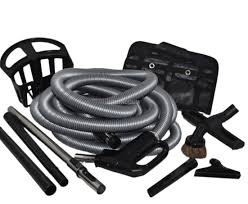
35 ft Low-Voltage Hose & Tools
Match your connections and check the included items.
View Product Details →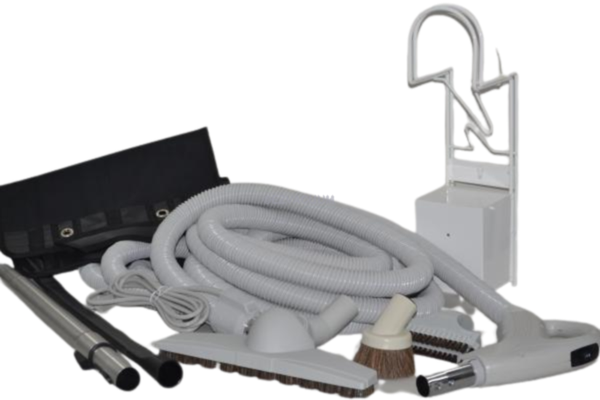
35 ft Pigtail Hose & Tools
Match your connections and check the included items.
View Product Details →