


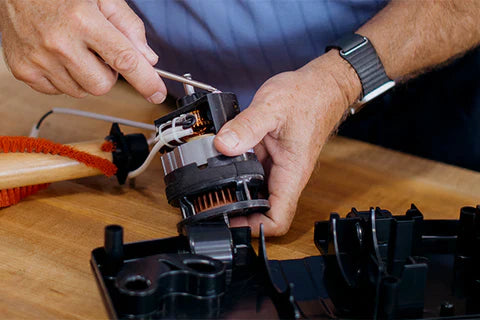
Vacuum Cleaner Repair & Maintenance Tips
Vacuum Cleaner Repair & Maintenance Tips
Learn how to troubleshoot common vacuum cleaner problems, maintain suction, inspect filters and attachments, identify warning signs, and decide when professional repair may be needed. These practical vacuum cleaner repair and maintenance tips can help you care for your machine and make informed decisions about its upkeep.
How Can You Maintain and Troubleshoot a Vacuum Cleaner?
How Can You Maintain and Troubleshoot a Vacuum Cleaner?
Start by checking the dust bag or dirt bin, accessible filters, hose, wand and floorhead according to the manufacturer's instructions. Regular cleaning and inspection can help identify common problems. If the vacuum has electrical damage, persistent overheating, a burning smell or an unresolved fault, stop using it and seek qualified service.
What Is Vacuum Cleaner Repair and Maintenance?
What Is Vacuum Cleaner Repair and Maintenance?
Vacuum cleaner repair involves identifying and addressing faults that prevent a machine from operating as expected. Maintenance focuses on routine care, such as checking dust collection components, inspecting accessible airflow paths and following the manufacturer's filter and cleaning instructions.
The correct approach depends on the vacuum's design, age, condition and the problem you are experiencing. A canister vacuum, upright vacuum, cordless stick vacuum and robot vacuum may have different components and service requirements.
Airflow Inspection
Check the dust collection system, accessible filters, hose and attachments when suction appears weaker than usual.
Routine Maintenance
Follow the user manual for dust removal, filter care and inspection of accessible cleaning components.
Brush Roll Inspection
For models with a brush roll, check for visible hair, threads or debris when safe and permitted by the manual.
Power Problems
A vacuum that will not start may require professional diagnosis if basic, safe power checks do not resolve the issue.
Parts and Accessories
Verify model compatibility before purchasing replacement hoses, floorheads, filters, batteries or other components.
Qualified Repair
Persistent faults, unusual overheating and suspected internal damage may require an experienced service technician.
What Are the Most Common Vacuum Cleaner Problems?
What Are the Most Common Vacuum Cleaner Problems?
Vacuum cleaners can develop problems that affect suction, movement, starting, noise or cleaning performance. The symptom alone does not establish the cause, so begin with the checks permitted by your model's instructions.
Loss of Suction
A full dust bag, restricted airflow, a blocked attachment or a filter-related issue may affect suction. Check each accessible area according to the manual.
Vacuum Will Not Start
Confirm the power connection and user controls if safe. Persistent failure may require professional electrical diagnosis.
Unusual Noise
Debris, a loose accessible attachment or a mechanical fault may contribute to unusual sounds. Stop using the machine if the noise is sudden or severe.
Brush Roll Not Turning
Check whether the model has a brush-roll control and inspect for visible obstructions after disconnecting power.
Overheating or Shutdown
Some models may stop operating when a protective system activates. Follow the model's instructions and do not repeatedly restart an overheating machine.
Dust Escaping
Check whether the dust bag, bin and accessible seals or filters are correctly installed as directed by the manufacturer.
How Do You Fix a Vacuum Cleaner With Weak Suction?
How Do You Fix a Vacuum Cleaner With Weak Suction?
Reduced suction can make cleaning take longer and may leave dirt behind. Before arranging a repair, check the following accessible components in the order recommended by the manufacturer's manual.
Check the Dust Bag or Dirt Bin
Replace a full disposable bag or empty a removable dirt bin according to the manufacturer's instructions. Ensure the components are fitted correctly before use.
Inspect the Filters
Check accessible filters for accumulated dust. Clean or replace them only as directed by the manual. Allow washable filters to dry completely before reinstalling them when the instructions require washing.
Inspect the Hose and Wand
Disconnect the vacuum from power and inspect accessible attachments for visible blockages. Do not use sharp objects that could damage the hose or internal components.
Check the Floorhead
Remove accessible debris according to the manual. Verify that the floorhead is correctly attached and appropriate for the surface being cleaned.
Reassemble and Test Safely
Reinstall all required components correctly before testing. If suction remains weak after the recommended checks, arrange a professional assessment.
How Can You Maintain a Vacuum Cleaner at Home?
How Can You Maintain a Vacuum Cleaner at Home?
Regular maintenance helps you monitor the condition of your vacuum cleaner and identify issues before they become more difficult to diagnose. The correct schedule varies by model, usage and the manufacturer's recommendations.
Vacuum Maintenance Checklist
- Check the dust bag or bin regularly.
- Use compatible replacement bags and filters.
- Follow the manual for filter cleaning and replacement.
- Inspect accessible hoses and attachments for blockages.
- Remove hair and debris from accessible brush rolls safely.
- Inspect the power cord for visible damage.
- Clean the exterior with an appropriate method.
- Keep vents clear as directed by the manufacturer.
- Store the vacuum in a suitable, dry location.
- Keep the model number and user manual available.
Build a Practical Routine
Check the dust collection system and visible debris after cleaning sessions when needed. Inspect filters and attachments at the intervals specified for your model.
Homes with pets, heavy foot traffic or frequent vacuuming may need more frequent attention to accessible debris and dust collection components.
Avoid applying oils, solvents or cleaning chemicals unless the manufacturer specifically permits them.
When Should You Clean or Replace Vacuum Filters and Bags?
When Should You Clean or Replace Vacuum Filters and Bags?
Dust bags, dirt bins and filters are important parts of a vacuum's dust collection and airflow system. Their maintenance requirements differ by design, so use the model-specific guidance rather than a universal replacement interval.
Disposable Dust Bags
Replace the bag according to the manufacturer's instructions and any applicable indicator. Use the specified compatible bag type.
Dirt Bins
Empty and clean removable bins as directed. Make sure the bin is dry when required and correctly installed before operation.
Filters
Follow the instructions for inspecting, cleaning or replacing each filter. Not every filter is designed to be washed.
Replacement Parts
Use the exact model number to identify compatible bags, filters and other replacement consumables.
How Do You Clean a Vacuum Brush Roll Safely?
How Do You Clean a Vacuum Brush Roll Safely?
Hair, threads and other debris can accumulate around the brush roll on models that use one. Regular inspection may help identify obstructions that interfere with movement or cleaning performance.
Disconnect the Power
Switch off and unplug a corded vacuum. For a cordless model, follow its instructions for safely isolating the battery or disabling the brush roll.
Check the Manufacturer's Instructions
Identify whether the brush roll is user-accessible and whether the manual permits its removal or cleaning.
Remove Accessible Debris
Carefully remove visible hair and threads using the approved method. Avoid damaging bristles, belts, wiring or nearby components.
Reassemble and Inspect
Reinstall any covers and components correctly. If the brush roll remains stuck or the vacuum shows signs of damage, seek qualified service.
Vacuum Cleaner Troubleshooting: Symptoms and Possible Checks
Vacuum Cleaner Troubleshooting: Symptoms and Possible Checks
Use this table as a starting point for identifying the next safe step. These are general checks, not a diagnosis of a specific machine or confirmation that a particular part has failed.
| Symptom | Possible Area to Check | Recommended Next Step |
|---|---|---|
| Weak suction | Dust bag, bin, filters, hose or floorhead. | Inspect accessible areas according to the user manual. |
| Vacuum will not start | Power connection, battery charge or user controls. | Perform only basic checks permitted by the manual. Seek service if the problem continues. |
| Brush roll will not turn | Brush-roll controls, visible debris or floorhead fault. | Disconnect power and inspect user-accessible components. |
| Unusual noise | Accessible attachments, debris or internal mechanical parts. | Stop using the machine if the noise is sudden, severe or accompanied by overheating. |
| Burning smell | Possible overheating or electrical or mechanical fault. | Stop using the vacuum, disconnect power if safe and arrange qualified assessment. |
| Dust escaping | Bag, bin, filters or accessible seals. | Check correct installation and compatibility as directed. |
| Cordless vacuum loses runtime | Battery condition, charging or operating settings. | Review the battery and charging guidance for the exact model. |
| Robot vacuum misses areas | Sensors, wheels, brushes, charging or navigation settings. | Follow the manufacturer's robot-specific maintenance steps. |
Do Different Types of Vacuum Cleaners Need Different Repairs?
Do Different Types of Vacuum Cleaners Need Different Repairs?
Yes. Although different vacuum cleaners share some maintenance principles, their power systems, dust collection methods, floorheads and internal components can vary. Use repair instructions intended for your exact type and model.
Canister Vacuums
Check the bag or bin, hose, wand, floorhead and filters according to the model's instructions. Cord and hose designs differ.
Upright Vacuums
Pay attention to the dust collection system, floorhead, brush roll and accessible airflow path.
Cordless Stick Vacuums
Follow the battery, charging, filter and removable-bin guidance. Battery replacement and electrical repairs may require qualified assistance.
Robot Vacuums
Follow the model's instructions for brushes, wheels, sensors, dust collection, charging contacts and navigation maintenance.
Central Vacuum Systems
Diagnosis may involve the power unit, collection system, piping, inlet valves or hose. Electrical and internal system repairs should be handled by qualified personnel.
Wet-Dry Vacuums
Follow the instructions for liquid collection, compatible filters, tanks and safe conversion between operating modes where supported.
Should You Repair or Replace Your Vacuum Cleaner?
Should You Repair or Replace Your Vacuum Cleaner?
Repairing or replacing a vacuum cleaner depends on its condition, the nature of the fault, parts availability, repair cost and your cleaning requirements. There is no single rule that works for every machine.
When a Repair May Make Sense
- The problem has been identified clearly.
- A compatible replacement part is available.
- The estimated repair cost is reasonable for the machine.
- The vacuum otherwise meets your cleaning needs.
- The technician can explain the expected work and terms.
When to Consider Another Vacuum
- The repair cost is high relative to replacement options.
- Required parts are unavailable or difficult to source.
- Several significant faults have developed.
- The current model no longer suits your cleaning needs.
- A new machine offers a more suitable long-term option.
What Should You Expect From a Professional Vacuum Repair Service?
What Should You Expect From a Professional Vacuum Repair Service?
A suitable repair service should help identify the reported problem, explain the proposed work and clarify the relevant cost and service terms. The exact process depends on the vacuum model and the fault.
Describe the Problem
Explain when the issue occurs, what you notice and whether the machine has shown unusual noise, reduced suction or other symptoms.
Identify the Exact Model
Provide the brand, model number and relevant purchase or warranty information when available.
Request an Assessment
Ask what inspection is required and whether a diagnostic fee applies before authorizing work.
Review the Estimate
Confirm the proposed repair, parts, labor, expected timeframe where available and applicable service terms.
Check the Outcome
Ask which work was completed and what maintenance or follow-up instructions apply to the repaired machine.
Which Vacuum Cleaner Parts May Need Repair or Replacement?
Which Vacuum Cleaner Parts May Need Repair or Replacement?
A vacuum may contain consumable parts, removable accessories and internal components that require different levels of maintenance. A replacement should be based on the confirmed fault and exact model compatibility.
Dust Bags and Filters
Check the specified type and maintenance schedule before ordering replacement bags or filters.
Hoses and Wands
Inspect accessible components for damage or blockages. Confirm connection compatibility before replacing a part.
Brush Rolls and Belts
Where fitted and user-serviceable, inspect for visible wear or obstructions according to the manufacturer's instructions.
Cords and Electrical Parts
Damaged cords, plugs and internal electrical components require safe handling and qualified assessment.
Batteries and Chargers
Verify the correct model, approved charging equipment and manufacturer guidance before considering replacement.
Model Number
Use the product identification label and manufacturer resources to help determine the appropriate compatible part.
What Safety Precautions Should You Follow During Vacuum Repair?
What Safety Precautions Should You Follow During Vacuum Repair?
Vacuum cleaners contain electrical and moving components. Some cordless models also contain rechargeable batteries that require specific handling. Keep routine maintenance within the limits of the manufacturer's instructions.
Safe Maintenance Practices
- Switch off and unplug corded models before inspection.
- Follow the battery isolation instructions for cordless models.
- Allow the machine to cool before permitted maintenance.
- Use only manufacturer-approved cleaning methods.
- Reinstall covers, filters and other required components.
- Keep liquids away from electrical parts unless the manual permits use.
When to Stop Using the Vacuum
- A burning smell or signs of overheating appear.
- The power cord or plug is visibly damaged.
- The machine produces sudden, severe or unusual noise.
- A battery is swollen, leaking or visibly damaged.
- Liquid has entered components not designed for it.
- A fault remains after permitted basic checks.
Where Can You Find Vacuum Cleaner Repair Resources?
Where Can You Find Vacuum Cleaner Repair Resources?
If your vacuum cleaner has a persistent problem, begin with the manufacturer's troubleshooting instructions and identify the exact model. Depending on the issue, you may need compatible replacement parts, manufacturer support or a qualified repair service.
Explore Vacuum Repair
Visit AceVacuums' vacuum repair resource page to review the available information and determine an appropriate next step.
Explore Vacuum Repair →Search for Parts
Use the exact brand and model information to search for potentially compatible replacement components.
Search Vacuum Parts →Review Vacuum Products
Compare available vacuum products and their listed features if you are evaluating replacement options.
Explore Vacuum Cleaners →Vacuum Cleaner Repair & Maintenance Tips: Key Takeaways
Vacuum Cleaner Repair & Maintenance Tips: Key Takeaways
Correct maintenance starts with understanding your vacuum's design and following its instructions. Many basic checks involve accessible dust collection components and attachments, while internal faults may need professional diagnosis.
Start With Basic Checks
Inspect the bag or bin, accessible filters and attachments when suction decreases or cleaning performance changes.
Use Compatible Parts
Confirm the exact model number before buying bags, filters, floorheads, batteries or other replacement components.
Follow a Maintenance Routine
Follow the manufacturer's schedule for cleaning, inspections and consumable replacement.
Recognize Warning Signs
Stop using a machine that shows signs of overheating, electrical damage or another potentially unsafe condition.
Compare Repair Costs
Consider the diagnosis, parts availability, repair estimate and the machine's overall condition before deciding what to do.
Seek Qualified Assistance
Persistent faults and repairs involving internal electrical or mechanical components may require a trained technician.
Vacuum Cleaner Repair & Maintenance FAQs
Vacuum Cleaner Repair & Maintenance FAQs
Find answers to common questions about vacuum cleaner repair, weak suction, filter care, brush roll maintenance, replacement parts and professional service.
Common problems include weak suction, a vacuum that will not start, unusual noise, a brush roll that will not turn, dust escaping and unexpected shutdowns. The appropriate checks depend on the model and symptoms.
A full dust bag, a full bin, restricted airflow, a blocked hose or a filter-related issue may affect suction. Check accessible components according to the manufacturer's instructions. If the problem continues, seek a qualified assessment.
Check the dust collection system as needed and follow the manufacturer's schedule for filters, brush rolls and other components. Cleaning frequency depends on the model, usage and the amount of dirt or hair collected.
Some routine maintenance, such as emptying a removable bin or inspecting accessible attachments, may be suitable for home maintenance. Follow the manual and leave internal electrical, motor and other hazardous repairs to qualified personnel.
Unusual noise may be associated with debris, an obstructed attachment or a mechanical issue. Stop using the machine if the noise is sudden or severe, disconnect power if safe, and seek qualified service when needed.
Follow the replacement schedule and inspection guidance for your exact model. Replace a filter when the manufacturer's instructions indicate it is due or when its condition requires replacement. Not all filters are washable.
Possible areas to check include brush-roll controls, visible obstructions and the floorhead. Disconnect power before inspecting accessible components. A persistent fault may require professional diagnosis.
Stop using the vacuum and disconnect it from power if safe. Do not continue running it to see whether the smell disappears. Arrange qualified service, especially if overheating or an electrical fault is suspected.
Only wash a filter if the manufacturer identifies it as washable and provides washing instructions. Follow the specified drying procedure and reinstall the filter only when it is ready for use.
Check the power connection, battery charge and user controls if safe and permitted by the manual. If the vacuum still does not start, or if there is visible electrical damage, seek qualified service instead of opening the machine.
Identify the exact model number and confirm compatibility through the manufacturer or a suitable parts retailer. Depending on the model, replacement components may include bags, filters, hoses, floorheads, batteries or other parts.
It depends on the confirmed fault, estimated repair cost, parts availability and overall condition of the vacuum. Compare the estimate with suitable replacement options before deciding.
Follow the model's instructions for emptying the bin, maintaining filters, cleaning accessible attachments and charging the battery. Use approved charging equipment and stop using a battery that appears damaged or swollen.
Look for a provider that handles your brand and model. Ask about diagnostic fees, estimated repair costs, parts availability, expected turnaround and any written warranty on the repair.
Consider replacement when the repair is uneconomical, essential parts are unavailable, several significant faults exist or the machine no longer meets your needs. A qualified assessment can help you compare your options.
Need Help With Your Vacuum Cleaner?
Start with the manufacturer's recommended troubleshooting steps and routine maintenance. If your vacuum has persistent suction problems, unusual noise or another unresolved fault, explore the available repair resources and seek qualified service when necessary.
- 08 Mar, 2022












Your Local Vacuum & Central Vacuum Specialists
Visit AceVacuums in Fairfax and Leesburg, Virginia, for expert buying advice, repairs, warranty support, and replacement parts.
Expert Repairs & Service
Brands We Service
Northern Virginia
Washington, DC & Maryland
Welcoming customers from Washington, D.C., Montgomery County, and Prince George’s County, Maryland. Contact our team for showroom directions or to arrange central vacuum service.
Hablamos Español — Service in English & Spanish.