


Vacuum Cleaner repair shop near me | Vacuum repair store, Fairfax VA
Vacuum Cleaner Repair Shop Near Me | Vacuum Repair Store in Fairfax, VA
Looking for a vacuum cleaner repair shop near you? This guide explains common vacuum problems, basic troubleshooting steps, repair options, maintenance considerations and what to look for when choosing a vacuum repair store in Fairfax, VA.
Where Can I Find a Vacuum Cleaner Repair Shop Near Me?
Where Can I Find a Vacuum Cleaner Repair Shop Near Me?
If your vacuum cleaner is not working correctly, start by identifying the type of problem before deciding whether professional repair is necessary. Basic issues such as a blocked hose, clogged brush, full collection container or dirty filter may sometimes be addressed through routine maintenance. Electrical, motor, wiring and persistent performance problems may require professional diagnosis.
What Does a Vacuum Cleaner Repair Shop Do?
What Does a Vacuum Cleaner Repair Shop Do?
A vacuum cleaner repair shop helps diagnose and address problems affecting vacuum cleaners and related components. Depending on the vacuum type and the issue involved, repair work may involve inspecting the hose, brush system, filters, collection components, electrical connections, controls or motor-related components.
The exact repair process depends on the vacuum model, the condition of the machine and the availability of suitable replacement components. A proper diagnosis is important before deciding whether a vacuum should be repaired or replaced.
Problem Diagnosis
The first step is identifying the source of the problem rather than immediately replacing parts that may still be functional.
Suction Problems
Reduced suction can be related to blockages, filters, collection components, hoses, airflow restrictions or other system conditions.
Brush Problems
A brush roll that does not rotate correctly may require inspection for tangled debris, belt-related issues, electrical problems or other component faults.
Electrical Issues
Power switches, wiring, connections and other electrical components may require professional attention when a vacuum does not operate correctly.
Motor-Related Problems
Unusual motor noise, burning smells or persistent operating problems may require professional inspection.
Maintenance Support
Routine cleaning and replacement of applicable maintenance components can help keep a vacuum operating as intended.
What Are the Most Common Vacuum Cleaner Problems?
What Are the Most Common Vacuum Cleaner Problems?
Vacuum cleaners can develop different problems depending on their design, usage, maintenance and condition. Identifying the symptom can help determine the first troubleshooting step.
Weak Suction
Weak suction may be caused by a blocked hose, clogged tool, full collection container, dirty filter or another airflow restriction.
Vacuum Will Not Turn On
A vacuum that does not start may have an issue involving the power source, switch, wiring, control system or internal electrical components.
Brush Roll Not Spinning
Hair, thread and debris can interfere with brush operation. Some machines may also develop mechanical or electrical brush-system problems.
Unusual Noise
A sudden or unusual sound may indicate a blockage, loose component, brush issue or motor-related problem.
Burning Smell
A burning smell should not be ignored. Stop using the vacuum and arrange appropriate inspection, especially if the odor appears during operation.
Poor Cleaning Performance
Poor cleaning results may be related to suction, brush operation, clogged filters, incorrect attachments or other vacuum conditions.
How Can I Troubleshoot My Vacuum Cleaner Before Repair?
How Can I Troubleshoot My Vacuum Cleaner Before Repair?
Check the Power Source
Make sure the vacuum is properly connected to an appropriate power source and check the applicable switch or control.
Inspect the Hose
Look for visible damage or blockages in the hose and make sure the hose is properly connected.
Check the Cleaning Head
Inspect the floor head, nozzle or other cleaning attachment for hair, threads, debris or other obstructions.
Inspect the Filter
Check applicable user-serviceable filters and clean or replace them according to the manufacturer's instructions.
Check the Collection System
Inspect the applicable dust bag, dirt container or collection area and empty or replace it when required.
Stop if the Problem Appears Electrical
Burning smells, damaged wiring, repeated electrical trips or serious motor problems should be handled by qualified service personnel.
Should I Repair or Replace My Vacuum Cleaner?
Should I Repair or Replace My Vacuum Cleaner?
Repair is not automatically the best choice in every situation. The decision depends on the condition of the vacuum, the type of problem, the availability of appropriate replacement parts, the expected repair requirements and the condition of the machine as a whole.
| Consideration | Repair May Make Sense | Further Evaluation May Be Needed |
|---|---|---|
| Type of Problem | The problem appears limited to a replaceable or serviceable component. | The issue involves multiple systems or a major internal component. |
| Vacuum Condition | The machine is otherwise in usable condition. | The vacuum has several recurring problems. |
| Parts | Appropriate replacement parts are available. | Required parts are unavailable or difficult to source. |
| Cleaning Performance | The vacuum otherwise meets the user's cleaning needs. | The machine no longer suits the user's cleaning requirements. |
| Repair Cost | The expected repair is reasonable for the condition of the vacuum. | The repair may not be practical compared with another suitable option. |
| Professional Diagnosis | A technician can identify a specific repairable problem. | The cause of the problem remains uncertain. |
What Types of Vacuum Cleaners Can Need Repair?
What Types of Vacuum Cleaners Can Need Repair?
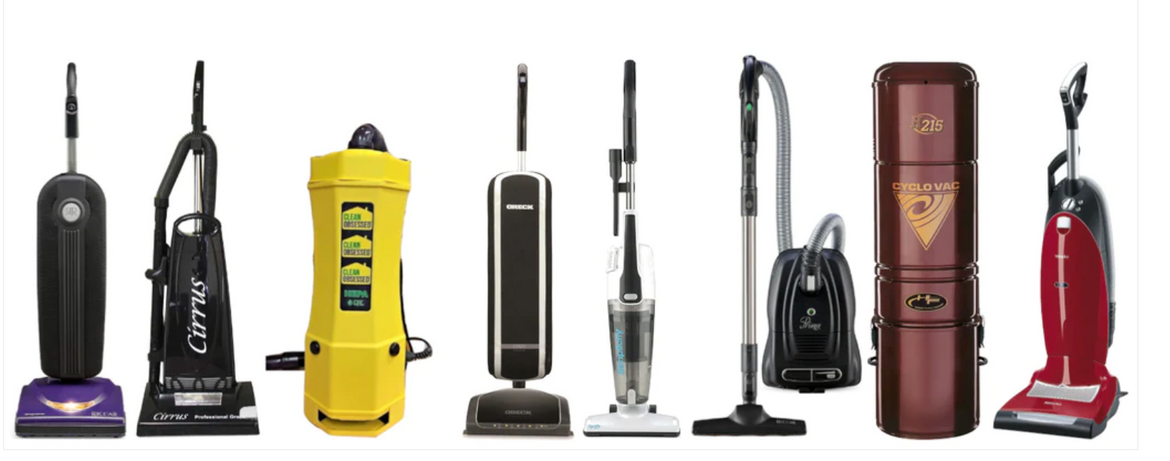
Different vacuum designs can develop different service needs. The repair process should always be based on the specific vacuum model and the actual problem.
Upright Vacuums
Upright vacuum problems can involve suction, brush rolls, belts or other mechanical and electrical components depending on the model.
Canister Vacuums
Canister vacuum service may involve the hose, wand, floor tool, suction system, collection components or internal parts.
Cordless Vacuums
Cordless models can have issues involving batteries, charging, filters, airflow, brush systems or other components.
Stick Vacuums
Stick vacuum problems may involve the brush head, battery or power system, filter, dust container or airflow path.
Central Vacuum Systems
Central vacuum service can involve the power unit, wall inlets, hose, piping, collection system or other components.
Specialty Vacuums
Specialty cleaning equipment may require model-specific troubleshooting and appropriate replacement components.
When Should I Take My Vacuum to a Repair Shop?
When Should I Take My Vacuum to a Repair Shop?
Professional repair may be appropriate when basic maintenance and troubleshooting do not resolve the problem or when the issue appears to involve electrical, motor or internal components.
Electrical Problems
If the vacuum repeatedly trips a circuit, has damaged wiring or does not respond correctly to its controls, professional inspection may be appropriate.
Motor Problems
Persistent motor noise, burning odors or unusual operating behavior may indicate a problem that requires professional diagnosis.
Persistent Loss of Suction
If basic hose, tool, filter and collection-system checks do not restore performance, professional service may help identify the cause.
Brush System Problems
If the brush system remains inactive after removing visible debris and checking applicable user-serviceable components, professional diagnosis may be useful.
Severe or Sudden Noise
A sudden mechanical or motor-related noise should be investigated rather than ignored, especially if the vacuum's performance changes at the same time.
Repeated Problems
If the same issue keeps returning after basic maintenance, a professional evaluation can help determine the underlying cause.
How Do I Choose a Vacuum Repair Store in Fairfax, VA?
How Do I Choose a Vacuum Repair Store in Fairfax, VA?
When searching for a vacuum repair store in Fairfax, VA, it is useful to look beyond the phrase "vacuum repair near me." The right service provider should be able to evaluate the type of vacuum you have, understand the problem you are experiencing and explain the available repair or service options.
Ask About the Vacuum Type
Confirm that the repair provider works with the type of vacuum you need serviced, whether it is an upright, canister, cordless, stick or central vacuum system.
Explain the Symptom
Describe exactly what the vacuum is doing, such as weak suction, unusual noise, failure to start or brush-roll problems.
Ask About Diagnosis
A proper diagnosis can help determine whether the problem is related to a maintenance item, replaceable component or more significant internal issue.
Ask About Parts
For model-specific repairs, ask whether appropriate replacement components are available or can be sourced.
Understand the Service
Before approving a repair, make sure you understand what component or issue is being addressed and what service is being recommended.
Consider the Vacuum's Condition
A repair decision should consider the overall condition of the vacuum rather than focusing only on one failed component.
How Can I Prevent Common Vacuum Cleaner Problems?
How Can I Prevent Common Vacuum Cleaner Problems?
Regular Maintenance Checklist
- Inspect the hose for visible blockages or damage
- Remove hair and debris from the cleaning head
- Check applicable filters regularly
- Empty the dust container or replace bags when required
- Inspect the brush roll when applicable
- Keep vents and airflow paths clear
- Pay attention to changes in suction
- Stop using the vacuum if unusual burning smells appear
Why Vacuum Maintenance Matters
A vacuum cleaner depends on several connected components working together. A blocked hose, restricted filter, overloaded collection system or tangled brush can affect cleaning performance.
Regular inspection can help identify simple maintenance problems before they become more complicated service issues.
Can a Vacuum Repair Store Service Central Vacuum Systems?
Can a Vacuum Repair Store Service Central Vacuum Systems?
Central vacuum systems are different from portable vacuum cleaners because the power unit is permanently installed and connected to piping and wall inlets. Service may therefore involve more than the vacuum unit itself.
Central Power Unit
Problems involving the central power unit may require inspection of its operating condition, controls and applicable components.
Wall Inlets
A problem affecting one inlet may be different from a problem affecting the entire central vacuum system.
Hose
A blocked or damaged hose can restrict airflow and may make the central vacuum appear to have a larger system problem.
Piping
Persistent airflow problems may require evaluation of the piping pathway when basic hose and inlet checks do not identify the issue.
Collection System
The applicable bag, dirt container, filter or collection components should be maintained according to the system's instructions.
Professional Diagnosis
Electrical, motor and difficult-to-access piping problems should be evaluated by appropriately qualified service personnel.
What Happens When You Take a Vacuum to a Repair Shop?
What Happens When You Take a Vacuum to a Repair Shop?
Describe the Problem
Explain what happened, when the problem started and whether the vacuum still operates normally in any situations.
Identify the Vacuum
The model and vacuum type can help determine the appropriate troubleshooting and service approach.
Inspect the Vacuum
The vacuum can be evaluated for visible problems and symptoms related to its reported issue.
Determine the Cause
The repair process should focus on identifying the underlying problem rather than replacing components without a clear reason.
Review Repair Options
Depending on the diagnosis and available components, the appropriate repair or service option can be determined.
Decide Whether to Repair
The final decision should consider the vacuum's condition, repair requirements and whether the machine still meets the user's cleaning needs.
Where Can I Get Vacuum Repair Help in Fairfax, VA?
Where Can I Get Vacuum Repair Help in Fairfax, VA?
If basic troubleshooting does not solve the problem, professional vacuum service may be appropriate. AceVacuums provides vacuum repair resources for customers researching vacuum maintenance, troubleshooting and repair options.
Vacuum Repair
Explore vacuum repair resources when your machine has a performance problem that basic maintenance does not resolve.
Explore Vacuum Repair →Central Vacuum Systems
Research central vacuum systems when you are considering a whole-home cleaning setup or replacing an existing system.
Explore Central Vacuums →Central Vacuum Parts
Replacement components may be needed when maintaining or servicing a central vacuum system.
Explore Central Vacuum Parts →What Should I Expect From a Vacuum Repair Store?
What Should I Expect From a Vacuum Repair Store?
A good repair experience should begin with understanding the actual problem. Instead of assuming that every vacuum problem requires a major repair, the machine should be evaluated based on its symptoms and condition.
Clear Problem Identification
- Understand the reported symptom
- Identify the vacuum model when applicable
- Check obvious maintenance-related causes
- Determine whether professional diagnosis is needed
Repair Considerations
- Identify the affected component
- Consider replacement-part availability
- Evaluate the overall condition of the vacuum
- Compare repair needs with replacement considerations
Customer Decision
The goal of professional service should be to help the customer understand the problem and available options so an informed repair decision can be made.
Vacuum Cleaner Repair FAQs
Vacuum Cleaner Repair FAQs
Find answers to common questions about vacuum cleaner repair, troubleshooting, maintenance and finding a vacuum repair store near you in Fairfax, VA.
If you are searching for a vacuum cleaner repair shop near you, start by looking for a local vacuum service provider that works with your vacuum type and can evaluate the specific problem. AceVacuums provides vacuum repair resources for customers researching repair and service options.
Common vacuum problems include weak suction, blocked hoses, clogged filters, brush-roll problems, unusual noises, power issues, collection-system problems and other mechanical or electrical faults.
Weak suction can be caused by a blocked hose, clogged cleaning tool, full collection container, restricted filter or another airflow problem. If basic checks do not restore performance, professional diagnosis may be appropriate.
A vacuum that does not turn on may have an issue involving the power source, switch, wiring, control system or internal electrical components. Check the applicable power connection first and seek professional service if the problem continues.
A brush may stop spinning because of tangled hair or debris, a mechanical issue, a belt-related problem or an electrical fault depending on the vacuum design. Inspect accessible components according to the manufacturer's instructions.
A strange noise may be caused by a blockage, brush problem, loose component or motor-related issue. Stop using the vacuum if the noise is severe or accompanied by a burning smell.
A burning smell should not be ignored. Stop using the vacuum and disconnect it from its power source when safe to do so. Professional inspection may be necessary to determine the cause.
Basic maintenance such as clearing visible blockages, cleaning appropriate filters and emptying the collection system may be suitable for the owner. Electrical, motor and complex internal repairs should be handled by qualified service personnel.
The decision depends on the type of problem, overall condition of the vacuum, parts availability, repair requirements and whether the vacuum still meets your cleaning needs.
Maintenance frequency depends on the vacuum and how often it is used. Regularly inspect the hose, cleaning head, brush system, collection container and applicable filters according to the manufacturer's instructions.
Cordless vacuum service depends on the model and the type of problem. Issues can involve the battery, charging system, filter, airflow, brush system or other components.
Central vacuum service can involve the power unit, hose, wall inlets, piping, collection system and other components. The appropriate service depends on the system configuration and the source of the problem.
Consider professional service when basic troubleshooting does not solve the problem or when the vacuum has electrical issues, motor problems, severe noise, repeated shutdowns, persistent suction loss or other difficult-to-diagnose symptoms.
Customers searching for vacuum repair in Fairfax, VA can research local vacuum service providers and review the available repair options. AceVacuums also provides vacuum repair resources for customers looking for service and support.
Look for a repair provider that can work with your vacuum type, understand the reported symptoms, evaluate the actual cause of the problem and explain the available service or repair options before work is performed.
Need Help With Your Vacuum Cleaner?
If your vacuum has weak suction, unusual noise, brush problems, power issues or another performance problem, start with basic troubleshooting and maintenance. When the problem involves electrical, motor or difficult-to-diagnose components, professional vacuum repair may be the safer choice.
- 21 Mar, 2022












The DMV’s Trusted Vacuum Service Authority
For 25+ years, Ace Vacuums has filled the gap left by big-box retailers. We provide the expert repairs, warranty support, and genuine OEM parts that Amazon and Walmart simply don't offer. From free estimates to same-day service, we are your local alternative for professional home care solutions.
Expert Repairs
Authorized Center
Northern Virginia
Regional Reach
Conveniently serving Washington D.C. and Maryland (Montgomery & Prince George's Counties). Our showrooms are just 20 minutes from DC and 10 minutes from Tysons Corner.
Hablamos Español — Service in English & Spanish.
Serving Zip Codes: 20147, 20176, 22030, 22031, 20151, 20190, 22102, 22314, 20110, 20148 & surrounding areas. All repairs performed by certified technicians using genuine parts.