Central vacuum systems for the way you live.
Whole-home cleaning, thoughtfully planned.
Choose a new system, upgrade what you have or find the right service—guided by your home layout, floors and everyday cleaning needs.
Fairfax & Leesburg showrooms · VA, DC & MD

Whole-home cleaning, built around your home
A central vacuum is a built-in cleaning system. A fixed power unit draws dirt through a hose, wall inlets and installed tubing into a bag or collection bin. You move the hose and floor tool through the home while the main unit stays in a garage, basement or utility space.
AceVacuums helps you choose the equipment, plan installation, care for an existing system and match replacement accessories. Start with your home and cleaning needs; then compare models.
Choose your next step
Buy or upgrade
Compare the power unit, hose arrangement and tools as one package. Explore MD systems or browse central vacuum systems.
Build or remodel
Plan inlet coverage, tubing access, power and hose storage before finishes are completed. Explore installation.
Restore performance
Identify whether the problem affects suction, startup or a floor tool. Get central vacuum repair help.
What makes a system right for you?
Your layout
Floor area is only a starting point. Consider levels, stairs, distant rooms, pipe runs and practical hose reach around furniture.
Your floors
Match the floor brush to hard surfaces and the carpet head to your carpet. Air-driven and electric heads have different connection requirements.
Your installation
Confirm mounting space, service access, voltage, circuit, controls and exhaust. The existing unit’s size alone does not establish a replacement fit.
Compare hose and filtration choices
| Choice | Why it matters | What to confirm |
|---|---|---|
| Standard hose | Moves between wall inlets and needs a convenient storage location. | Hose length, inlet fit, handle controls and tool connections. |
| Electric cleaning kit | Supplies power to a compatible motorized carpet head. | Pigtail versus direct-connect arrangement, hose and wand wiring. |
| Retractable hose | Stores in a specially planned pipe route. | Suitable routing, bends, suction and compatible floor tools; see Hide-A-Hose. |
| Bagged or filtered bin | Changes how you empty the system and maintain filtration. | The exact bag or filter and the manufacturer’s care procedure. |
| Cyclonic or hybrid | Collection and exhaust arrangements vary by design. | Follow the exact model’s filtration and venting instructions. |
A central vacuum is not automatically a HEPA system. Ask how the selected model collects fine dust and where it exhausts. Never remove required filters to increase suction.
Understand performance numbers without chasing one specification
Airflow (CFM) describes air movement; water lift describes sealed suction; air watts combine airflow and suction at a test operating point. Maximum airflow and sealed suction are not produced simultaneously in normal cleaning.
Compare the manufacturer’s data alongside the actual installation, intended hose and floor tools. A larger advertised coverage figure does not, by itself, make a unit the better choice.
New construction, retrofit or replacement?

New construction and open-wall renovation offer an opportunity to plan tubing and inlets before finishes close. Existing homes may have usable routes through basements, attics or utility spaces; the building determines feasibility and finish work.
Replacing a power unit can be a smaller project if the existing piping and inlets are suitable. Check their condition, control wiring, electrical supply and exhaust before selecting equipment.
Plan an installationA look behind the wall
This field clip shows exposed vacuum tubing and a wall inlet during work in progress. The routing and connection points help explain why a good system starts with an installation plan.
For your project, bring a rough floor plan, the surfaces you clean, and photos of the proposed unit location. If a system is already installed, include the model label, inlets and hose ends.
What belongs in a clear quote?
Equipment
Exact power unit, collection system, hose length, carpet head, floor tools and included accessories.
Installation
New or reused piping, inlet locations, controls, mounting, exhaust and electrical provisions.
Scope & support
Labor, access openings, finish repairs, exclusions, maintenance needs and model-specific warranty terms.
Use product listings for current equipment pricing. A power-unit price does not include a complete home installation. Ask for a written scope based on the actual project.
Already installed? Start with the symptom.
Explore central vacuum brands and accessory collections
Collections show shopping options. Parts directories help match a part, bag or filter to an exact model. Confirm current availability and compatibility before ordering.
Local help, from two Virginia showrooms
AceVacuums supports homeowners in Northern Virginia, Washington, DC and Maryland. Call with your service address to confirm in-home coverage, availability and applicable charges. For hose or powerhead testing, ask what to bring before travelling.
AceVacuums Fairfax
11110 Main StreetFairfax, VA 22030
703-997-9292 · Extension 1
AceVacuums Leesburg
300 Fort Evans Road NE, Suite 104Leesburg, VA 20176
703-997-9292 · Extension 2
Frequently asked questions
Is a central vacuum worth considering for an existing home?
Yes, particularly if usable piping is already installed or the building has practical installation routes. Compare access, installation work, hose storage and your cleaning preferences before deciding.
Can I replace the power unit and keep the pipes?
Often the existing infrastructure can be assessed for reuse. Check piping condition, mounting, voltage, controls and exhaust; a replacement should be selected for the complete installation.
Does a larger home always need the highest-rated unit?
No. Floor area, pipe length, layout, hose type and tools all matter. Compare manufacturer specifications against the installation rather than choosing by a single coverage figure.
Is every hose or powerhead interchangeable?
No. Inlet shape, hose cuff, low-voltage activation, electrical connections, wand and head fittings must match. Bring photos and model details for fit guidance.
Can I add Hide-A-Hose to a standard inlet?
A retractable hose needs planned storage tubing and compatible equipment. Retrofit feasibility depends on access and routing; changing the wall plate alone is not sufficient.
Where can I get local advice?
Call AceVacuums at 703-997-9292 or visit our Fairfax or Leesburg showroom. Confirm demonstration availability, stock and any service arrangements before travelling.
Let’s plan a system that fits your home.
Tell us about your floors, layout and existing equipment. We will help you identify the right next step.
Online requests are reviewed before an appointment is confirmed. We discuss service coverage, availability and applicable charges before scheduling.
Explore More
Equipment & accessories to explore
Explore power units and cleaning packages after reviewing your home layout, flooring and installation requirements. Open each listing for current pricing and availability.

MD ModernDay M615h · 120 V
Check the model, connections and included items before ordering.
View product details →
Riccar RCU-H9 Hybrid
Check the model, connections and included items before ordering.
View product details →
Cana-Vac LS-550
Check the model, connections and included items before ordering.
View product details →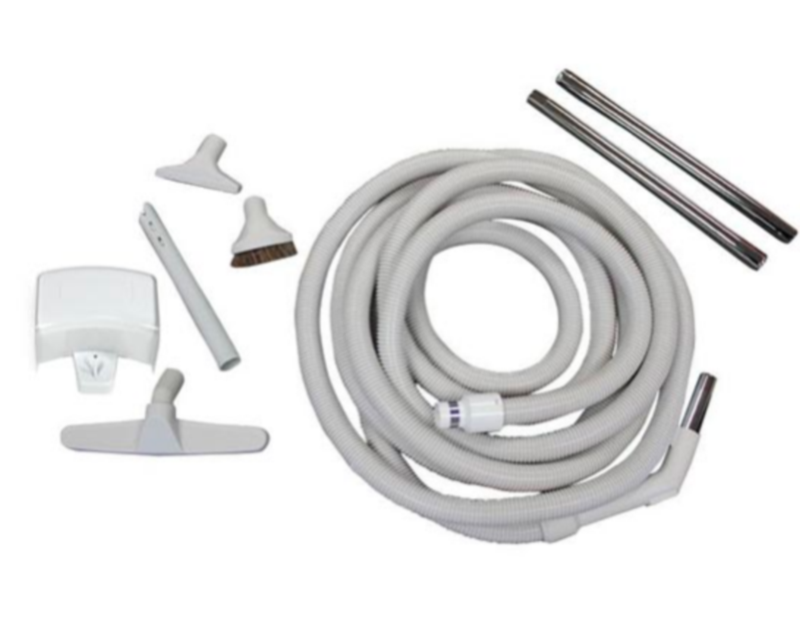
30 ft Standard Hose & Tools
Check the model, connections and included items before ordering.
View product details →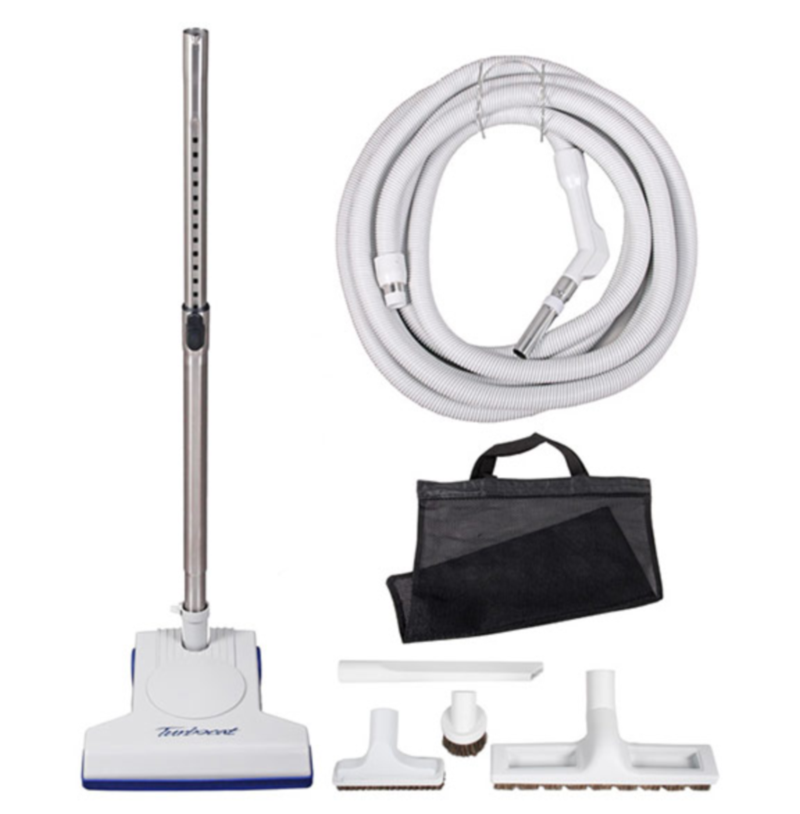
35 ft TurboCat Attachment Kit
Check the model, connections and included items before ordering.
View product details →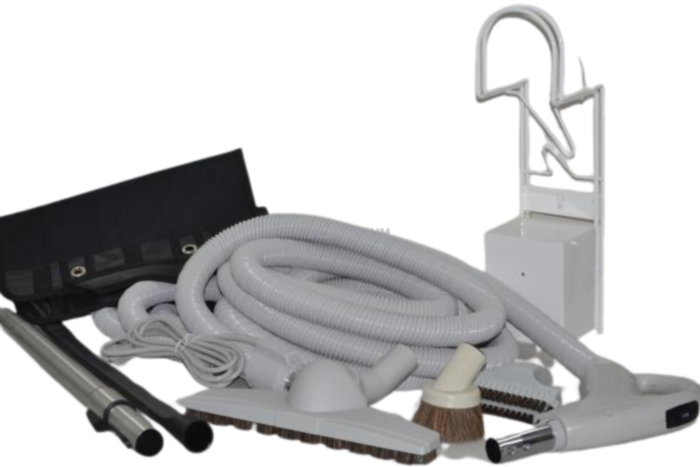
35 ft Pigtail Hose & Tools
Check the model, connections and included items before ordering.
View product details →A “fit-all” catalog name does not establish compatibility. Match the inlet, hose cuff, electrical supply and powerhead connection.
Reviewed October 17, 2026 · AceVacuums
Manufacturer power measurements ↗Manufacturer installation guidance ↗